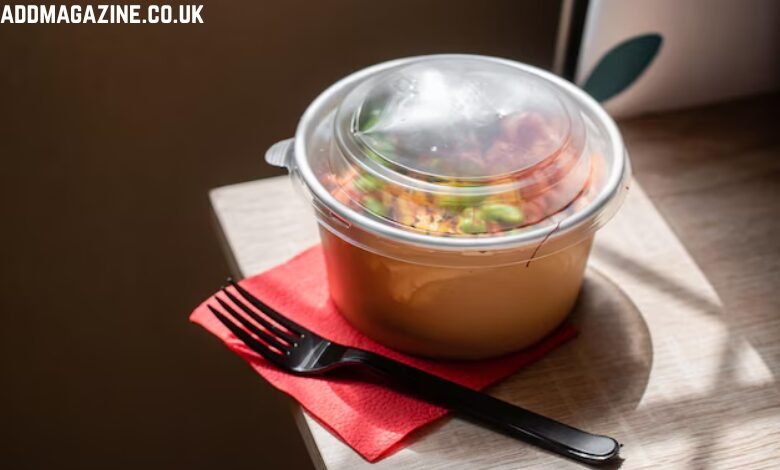
In today’s fast‑paced world, convenience and food safety go hand in hand. Whether it’s for office lunches, catering events, or grab‑and‑go salad bars, disposable salad bowls with lids have become an indispensable solution. These containers let customers enjoy fresh, crisp greens without sacrificing portability or presentation. In this blog, we explore why disposable salad bowls with lids are becoming so popular, what features to look for, and how to pick the right option (including from suppliers like MetroPack).
Why Choose Disposable Salad Bowls with Lids?
Disposable salad bowls with lids offer unmatched convenience for both businesses and consumers, making them ideal for today’s on-the-go lifestyle. From keeping salads fresh to ensuring mess-free transport, they deliver practical benefits that reusable containers often can’t match.
1. Freshness & Protection
One of the biggest challenges in the “salad to go” concept is keeping ingredients crisp and preventing them from getting soggy. Lids help:
- Seal in moisture and freshness, slowing down wilting.
- Protect contents from external contamination (dust, airborne particles, spills).
- Prevent the “salad dressing mixing too early” problem — many lids allow you to add dressing later or have compartments/vents.
2. Convenience & Portability
People want healthy meals on the move. A disposable bowl with a secure lid:
- Makes transportation easy and leak-resistant.
- Simplifies packing for events, deliveries, picnics, and office meals.
- Reduces the need for secondary packaging (e.g., plastic wrap or foil), streamlining supply chains.
3. Hygiene & Food Safety
Disposable containers eliminate cross‑contamination risks that may arise when reusing containers. They’re ideal for:
- Foodservice operations needing single-use packaging.
- Environments with stringent hygiene standards (cafés, hospitals, schools).
- Catering and meal delivery, where you want consumers to open a “sealed” container.
4. Branding & Presentation
These containers aren’t just functional they’re a branding opportunity:
- Transparent lids let consumers see colorful salads, increasing appetitive appeal.
- The bowl’s surface may be printable (logo, nutritional claims, QR codes).
- Consistent, clean presentation builds a professional impression.
5. Cost & Waste Management
While disposable means “single use,” there are benefits in cost control and waste management:
- Saves labor in washing and handling reusable ware.
- Cuts down water usage and cleaning chemicals.
- Many modern options are recyclable, compostable, or made from renewable materials (PLA, sugarcane fiber, etc.).
Key Features to Look for in Disposable Salad Bowls with Lids
When browsing suppliers like MetroPack (which offers a variety of salad containers), here are the attributes that separate average from outstanding packaging:
1. Material & Sustainability
- PET / RPET: Clear plastics, good visibility, widely recyclable.
- PLA (Polylactic Acid): Compostable under industrial conditions; more eco‑friendly.
- Sugarcane / Bagasse: Biodegradable and compostable alternatives to plastic.
- Fiber / Paper blends: Good for heavier salads; more sustainable but may have lower moisture barrier.
Choose a material based on your business model, waste disposal setup, and eco branding goals.
2. Leak Resistance & Seal Quality
- Snap‑fit or click‑lock lids that seal securely.
- Tamper-evident or locking tabs for added safety.
- Gasketed lids or silicone seals (in more premium options).
- Testing under pressure or tilt to ensure no leaks.
3. Lid Design / Venting / Compartments
- Flat lids vs. domed lids (domed gives extra headspace — ideal for salads piled high).
- Vents to allow steam escape (useful for warm items or avoiding condensation).
- Removable or built‑in dressing cups or compartments inside the lid.
4. Capacity/Size & Shape
A range of sizes is important:
- Smaller bowls for side salads or younger customers (e.g. 12 oz / ~350 ml).
- Medium single‑meal bowls (16–24 oz / ~500–700 ml).
- Large or party size bowls for sharing.
- Shapes: round, square, rectangular — each has tradeoffs in stackability and bowl depth.
5. Stackability, Nesting & Storage Efficiency
- Bowls should nest well (to save space in storage).
- Lids should stack flat (to minimize volume).
- A “knock‑in” or click system to prevent lids from slipping off during transit.
6. Clarity & Printability
- Clear lids and bowls help showcase ingredients (greens, tomatoes, nuts).
- Good printability for branding, nutrition labels, barcode stickers, promotional graphics.
- UV-resistant printing or decoration options might be available.
7. Temperature & Microwave Tolerance
- Some salads or fledgling warm salads may require containers to handle moderate heat.
- Microwave-safe versions for “heat-and-eat” salads or grains.
- Appropriate temperature ratings (e.g. up to 100 °C or more).
8. Regulatory & Food Contact Certification
Ensure the packaging meets food contact safety standards (e.g. FDA, EU standards). Certification builds trust and avoids legal risks.
How to Select the Right Disposable Salad Bowl with Lid — Step by Step
Choosing the right salad container goes beyond just size and shape it’s about aligning packaging with your product, brand, and customer expectations. Here’s a simple step-by-step guide to help you make the best choice for your business.
Step 1: Define Your Use Cases & Volumes
- Daily grab‑and-go salads in a café? You’ll need robust supply and fast turnover.
- Catering or event use? Larger sizes, more durable lids, tamper evidence.
- Delivery or meal boxes? Need extra stability and leak‑proofing.
Step 2: Choose the Material Strategy
Consider your waste management infrastructure (do you have compost, recycling, landfill?). If your customers care about sustainability, offering compostable or recyclable options helps brand perception.
Step 3: Test for Seal & Leak Performance
Order sample kits and test them under real conditions:
- Fill with salad + dressing, shake, tilt, drop test.
- Store overnight to check for moisture buildup or sogginess.
- Try heating cycles if used for warm content.
Step 4: Evaluate Branding / Print Options
Decide how much branding you want (full-color, spot printing, labels). Check what the supplier offers — direct printing vs blank containers.
Step 5: Check Cost and Logistics
- Compare unit cost vs reusable dishware life cycle.
- Check shipping weights and storage requirements.
- Think about minimum order quantities (MOQ) from suppliers like MetroPack.
Step 6: Make a Pilot Run & Gather Feedback
Test with real customers, gather feedback on:
- Spillage or leaks experienced
- Ease of opening/closing
- Aesthetic appeal
- Perceived value
Use that to adjust your selection before scaling.
Why MetroPack’s Salad Container Line Is Worth Exploring
While their site (e.g. the “Salad Containers” category) is temporarily unavailable, MetroPack is a known supplier of food containers in the UK. They typically offer:
- Wide selection of bowl + lid combinations
- Different materials (PET, compostables, etc.)
- Various sizes and lid styles
- Options for customization and branding
By sourcing from a specialist like MetroPack, you can:
- Access bulk prices and better shipping terms
- Get dedicated food‑service grade packaging
- Leverage their expertise in packaging logistics
When MetroPack’s site is accessible again, explore their Salad Containers / Food Containers section to compare styles, request samples, and discuss print options.
Use Cases & Examples of Disposable Salad Bowls with Lids
From busy lunch counters to large-scale catering events, disposable salad bowls with lids are essential for serving fresh, portable meals. They offer the perfect balance of functionality and presentation across a wide range of foodservice settings.
Office & Workforce Catering
Companies increasingly provide healthy lunch options. Disposable bowls with lids let employees grab a salad, head to meetings, or workstations without worrying about mess.
Meal Delivery & Subscription Kits
Salad‑box companies, subscription meal kits, and diet delivery services rely on reliable packaging that keeps the salad crisp until the consumer opens it.
Cafés, Delis & Salad Bars
High footfall cafés offering “build-your-own salad” counters need durable bowls and lids that customers can transport safely.
Events & Catering
Weddings, parties, exhibitions: custom lidded bowls can be branded or labeled, making the food look premium while ensuring safe transit.
Food Trucks & Street Food
Limited space and high turnover demand packaging that stacks easily and seals reliably under rough handling.
Tips to Maximize Shelf Life & Customer Experience
- Dressings On The Side: Include separate dressing cups or insert compartments so wet ingredients don’t steam your greens.
- Ventilation Features: If you offer warm salads, vents help prevent soggy steam buildup.
- Chill Before Filling: Pre‑chill bowls to delay wilting.
- Seal Taboos: Avoid overfilling; leave a little headspace so lids don’t force ingredients outward.
- Clear Labeling: Use labels or prints to indicate “consume by” time, nutrition, or allergen info.
- Storage Guidelines: Store in a cool, dry place; avoid UV exposure (which can degrade some compostables).
Challenges & Considerations
- Cost Premium: Eco‑friendly materials often cost more per unit than basic plastics.
- Compost / Recycling Infrastructure: Even “compostable” doesn’t help unless disposal systems exist where your customers live.
- Leakage Feedback: Some lids may not perform perfectly in extreme tilts; always test.
- Consumer Perception: Some customers still see “disposable” as wasteful, so clear eco messaging is essential.
- Bulk Storage / Shipping Volume: Even though these containers nest, the volume can still be significant when ordering at scale.
Future Trends in Disposable Salad Packaging
- Fully Compostable / Biodegradable Options: New materials (like PLA blends, edible coatings) will reduce environmental impact.
- Smart Lids & Sensors: Built‑in freshness indicators or microchips to detect spoilage.
- More Modular / Multi‑compartment Designs: Separate compartments for grains, dressings, proteins.
- Customization & Personalization: QR codes on lids for menu, dietary info, or promotions.
- Less Plastic, More Fiber / Bio‑materials: A shift from conventional plastics to molded fiber, bagasse, or seaweed‑based materials.
Conclusion
Disposable salad bowls with lids offer a compelling mix of convenience, presentation, and food safety especially for businesses in catering, grab‑and‑go retail, and food delivery. When selecting one, consider factors such as material, sealing performance, design features, and sustainability. A trusted supplier like Metro Pack can provide high-quality packaging solutions to support your growth.
Start with a pilot run, test under real-world conditions, gather feedback, and refine your offering. With the right container, your salads can stay fresher longer, travel more securely, and look more appetizing all while supporting your brand’s environmental and operational goals.