Property maintenance decisions in coastal communities like San Clemente require balancing aesthetic preferences with the practical realities of salt air exposure and moisture damage. Wood railings, while traditional and initially appealing, present ongoing challenges that many homeowners discover only after installation. The constant cycle of refinishing, repair, and eventual replacement creates both financial strain and property maintenance headaches that compound over time.
The shift toward metal railing systems reflects a broader understanding of how material choices impact long-term property ownership costs. Homeowners who have experienced the deterioration patterns of wood in coastal environments are increasingly prioritizing durability and maintenance reduction over initial material costs. This trend represents a fundamental change in how residential properties approach exterior installations, moving from short-term aesthetic decisions to long-term operational planning, shares BridgeHaus Property Managers team.
Understanding why this transition is accelerating requires examining the specific performance differences between materials and how these differences translate into real-world ownership experiences. The factors driving this change extend beyond simple preference shifts to include measurable impacts on property maintenance schedules, replacement cycles, and overall ownership satisfaction.
Coastal Environment Challenges Drive Material Selection
San Clemente’s oceanfront location creates specific environmental conditions that accelerate wood deterioration through salt air exposure, humidity fluctuations, and direct weather impact. Professional contractors specializing in wrought iron railings san clemente installations report increasing demand from homeowners who have experienced repeated wood railing failures in these conditions.
Salt particles carried inland by ocean breezes penetrate wood fibers and create moisture retention that promotes decay even in treated lumber. This process occurs gradually but consistently, making it difficult for homeowners to predict when structural integrity will become compromised. The result is often sudden railing failure that requires emergency replacement rather than planned maintenance.
Wood railing systems in coastal areas typically show signs of weathering within the first year of installation, beginning with surface discoloration and progressing to splitting, warping, and joint separation. These early warning signs indicate ongoing structural degradation that accelerates without consistent preventive treatment. Homeowners often find themselves caught between continuous maintenance requirements and inevitable replacement costs.
Moisture Penetration and Structural Integrity
Wood’s natural porosity allows moisture to penetrate deep into the material structure, creating conditions for rot development that begins from within the railing system. Even pressure-treated lumber experiences this deterioration process, though at a slower initial rate. The challenge lies in detecting moisture damage before it compromises the railing’s structural function.
Joint connections represent particularly vulnerable points where moisture accumulation accelerates deterioration. Traditional wood joinery methods create gaps and seams that trap salt-laden moisture, leading to connection point failure that can compromise entire railing sections. This pattern of degradation often requires complete system replacement rather than selective repairs.
Maintenance Cycle Intensification
Coastal wood railings require refinishing schedules that intensify over time as the material becomes increasingly weathered and porous. Initial maintenance intervals of two to three years often compress to annual requirements as the wood’s protective treatments lose effectiveness. This acceleration creates unpredictable maintenance costs and scheduling demands.
The refinishing process itself becomes more complex as wood ages, requiring additional preparation steps to address surface damage, joint repairs, and primer adhesion issues. What begins as simple staining or sealing evolves into comprehensive restoration projects that approach replacement costs.
Performance Reliability in Weather Exposure
Weather resistance represents a fundamental performance difference between wood and wrought iron railing systems that becomes apparent through repeated seasonal cycles. Wood’s organic composition makes it susceptible to expansion and contraction patterns that create structural stress and connection loosening over time.
Wrought iron’s dimensional stability eliminates the movement-related stress that causes wood railing failures. The material maintains consistent structural properties across temperature ranges and humidity fluctuations that would cause significant wood movement. This stability translates into maintained connection integrity and reduced maintenance requirements.
Wind load resistance differs substantially between materials, with wrought iron providing consistent performance characteristics regardless of weather conditions. Wood railings can develop weak points through moisture damage or aging that create unpredictable failure points under stress conditions. The predictable performance of metal systems provides reliable safety characteristics that remain constant throughout the installation’s service life.
Thermal Expansion Management
Wood’s thermal expansion occurs at different rates across grain directions, creating internal stress that contributes to cracking and splitting over time. This multidirectional movement affects connection points and can cause gradual loosening of hardware attachments. The cumulative effect reduces overall system stability and requires ongoing adjustment and tightening.
Metal railing systems accommodate thermal expansion through engineered connection details that allow controlled movement without structural stress. This design consideration prevents the accumulation of stress-related damage that characterizes wood system aging. The result is maintained structural integrity across temperature cycles without degradation.
UV Protection and Surface Stability
Ultraviolet radiation from direct sunlight breaks down wood fiber structure and protective coatings, creating surface deterioration that accelerates moisture penetration. This degradation process is continuous and cumulative, making UV protection a critical maintenance requirement for wood railings. The protection itself requires regular renewal and inspection.
According to the Environmental Protection Agency, protective coatings applied to outdoor wood installations degrade over time due to UV exposure and require reapplication to maintain effectiveness. Wrought iron systems with proper protective finishes maintain their surface integrity without ongoing coating degradation concerns.
Long-term Cost Implications and Property Value
The financial impact of railing material selection extends beyond initial installation costs to include maintenance expenses, replacement timing, and property value considerations. Wood railings often appear more economical initially but generate ongoing costs that accumulate significantly over time.
Maintenance cost predictability differs substantially between materials. Wood railings require variable maintenance based on weather exposure, age, and previous maintenance quality. This variability makes budget planning difficult and can result in unexpected major expenses when deterioration accelerates. Wrought iron systems provide more predictable maintenance schedules with defined intervals and costs.
Property value impact reflects both aesthetic appeal and perceived maintenance requirements. Potential buyers increasingly recognize the long-term cost implications of wood railings in coastal environments and factor these costs into property evaluations. Metal railing systems often represent perceived value through reduced ownership responsibilities.
Replacement Cycle Economics
Wood railing replacement cycles in coastal environments typically range from eight to fifteen years depending on maintenance quality and weather exposure intensity. This replacement frequency creates recurring major expenses that must be factored into long-term property ownership budgets. The replacement timing often coincides with other property maintenance needs, creating cost concentration periods.
Wrought iron installations typically provide service lives that extend beyond typical property ownership periods, effectively eliminating replacement costs from ownership calculations. This longevity advantage becomes particularly significant for properties intended as long-term investments or family residences.
Insurance and Safety Considerations
Railing failure incidents can create liability concerns that affect property insurance considerations. Wood railings with deteriorated structural integrity may not provide reliable safety protection, particularly in high-traffic areas or locations where railing failure could result in injury. Insurance companies increasingly recognize these risk factors in coastal property evaluations.
The predictable performance characteristics of wrought iron systems provide consistent safety protection throughout their service life. This reliability eliminates concerns about gradual strength reduction or unexpected failure modes that can develop in aging wood systems.
Installation and Design Flexibility
Design options and customization capabilities differ significantly between wood and wrought iron railing systems, affecting both aesthetic outcomes and functional performance. Wood railings are limited by the material’s structural properties and joinery methods, while metal systems offer greater design flexibility through fabrication techniques.
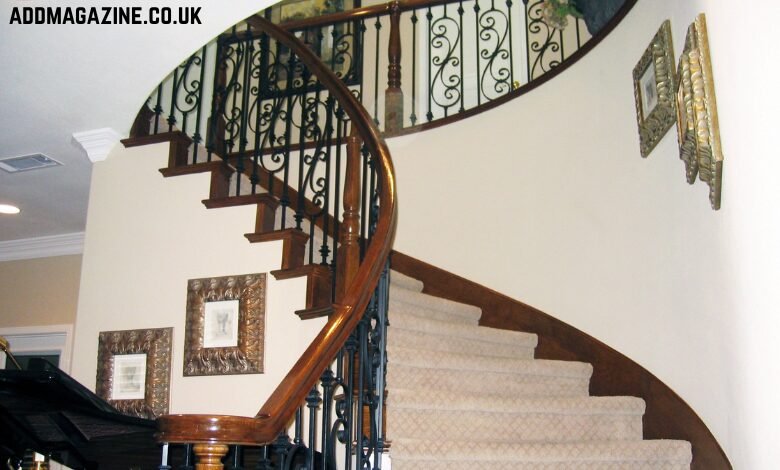
Custom design integration allows wrought iron railings to complement existing architectural features while providing enhanced functionality. The material’s strength characteristics enable spanning longer distances with fewer support posts, creating cleaner sight lines and reduced visual obstruction. This structural advantage translates into both aesthetic and practical benefits.
Installation complexity varies based on the customization level and site conditions. Wood railings often require site-specific modifications and adjustments that can affect final fit and appearance. Metal railings can be precisely fabricated to site measurements, ensuring proper fit and professional appearance upon installation.
Architectural Integration Capabilities
Wrought iron’s fabrication flexibility allows integration with existing architectural elements such as stone work, concrete structures, and varied building materials. This compatibility enables cohesive design solutions that complement rather than compete with existing property features. Wood railings often require design compromises based on available lumber dimensions and joinery limitations.
Color and finish options for metal railings provide greater customization potential than wood staining or painting options. Factory-applied finishes offer consistency and durability that field-applied wood finishes cannot match. This finishing advantage contributes to both appearance quality and maintenance reduction.
Site Adaptation and Installation Precision
Metal railing fabrication allows precise accommodation of site irregularities and existing condition variations. This precision reduces installation complications and ensures proper fit regardless of site challenges. Wood railings often require field modifications that can affect appearance quality and structural performance.
Foundation attachment methods for metal railings provide more secure and permanent installation characteristics. The attachment hardware and techniques used for wrought iron installations typically exceed the strength and reliability of wood railing mounting systems, contributing to overall system performance and safety.
Conclusion
The transition from wood to wrought iron railings among San Clemente homeowners reflects a practical response to the challenges of coastal property ownership. The combination of environmental durability, reduced maintenance requirements, and long-term cost advantages makes metal railing systems an increasingly logical choice for properties exposed to salt air and weather extremes.
This material selection trend represents broader changes in how property owners approach exterior installations, prioritizing long-term performance over initial cost considerations. As awareness of these performance differences grows, the shift toward metal railing systems is likely to accelerate, particularly in coastal communities where environmental challenges are most pronounced.
The decision ultimately comes down to balancing immediate costs against long-term ownership responsibilities and property value protection. For most coastal property owners, the advantages of wrought iron railing systems provide compelling reasons to move away from traditional wood installations toward more durable and reliable alternatives.