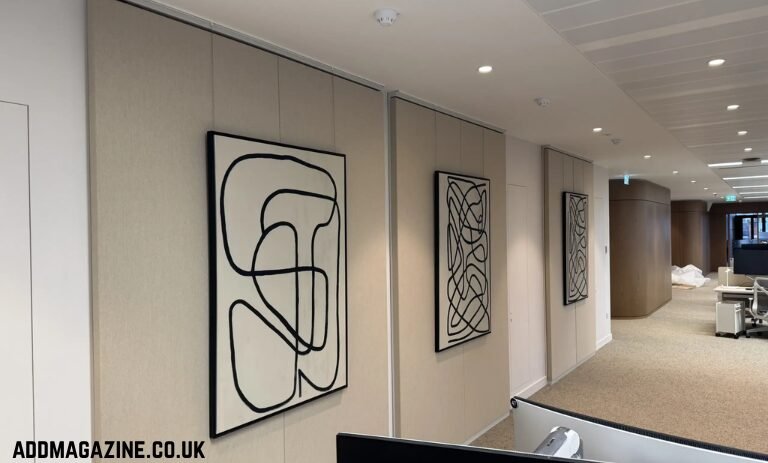
For displaying artwork while keeping walls protected from repeated damage, a contemporary picture rail offers a durable and practical option. Other decent options include heavy duty adhesive strips for light frames, leaning large canvases on the floor, or using freestanding easels.
People usually seek out these alternatives for a few very specific reasons.
- Protecting delicate plaster in period homes from cracking and crumbling.
- Complying with strict tenancy agreements to avoid losing a deposit.
- Gaining the flexibility to rotate art frequently without patching holes.
Why we desperately want no drill solutions
Let us be honest about the state of UK housing. If you live in a Victorian or Georgian property your walls are probably made of lath and plaster. It is incredibly brittle stuff.
I remember trying to hang a heavy mirror in my first rented flat in Bristol. I drilled a pilot hole, and the plaster literally falls away in chunks. It was a disaster. I lost a good portion of my deposit over that one mistake because letting agents are ruthless about returning walls to their original condition. It makes you paranoid about making holes anywhere.
So we need alternatives. We just want our living spaces to look nice without the stress of DIY gone wrong.
There is also the rise of long-term renting. More of us are renting well into our thirties and we want our homes to reflect our personalities. Landlords typically forbid drilling without written permission. A single screw can lead to an annoying email exchange.
The ultimate hero of the wall
I think the most elegant fix by far is the modern hanging rail.
From there you drop down steel cables or transparent nylon rods, and use adjustable hooks to hold the actual frames. It is a brilliant concept. For residents in period properties or luxury flats, professional installation of picture rail systems London offers the most reliable way to create a gallery aesthetic without ruining the walls.
Once the track is up you can move things around whenever you want. Manufacturers state these setups can safely hold up to 15 to 20 kg per hanging point depending on the specific hardware.
They are basically a contemporary evolution of the traditional wooden picture rails you see in old houses. They respect the original fabric of the building while giving you total freedom to swap out your artwork.
Sticking things up with adhesive strips
Everyone knows about removable adhesive strips. Brands like Command have made a fortune selling the dream of damage free decorating to renters and students.
They are genuinely great for posters and very light frames. The packaging often claims they can hold up to around 16 lb if you use enough of them correctly. But property managers usually recommend keeping it under 4 lb to be safe.
The problem is that they do not always work on textured surfaces. Or old flaky paint. I have seen strips rip off a layer of expensive Farrow & Ball paint just because the room got a bit too humid. Surface preparation is everything.
You need to clean the wall with isopropyl alcohol and wait before hanging anything. Most people skip that step.
They are consumable too.
Every time you want to move a picture you have to buy new strips. It gets expensive if you like to change your ‘gallery style’ layout often.
Propping and leaning for a casual look
Sometimes the best way to hang art is to not hang it at all. Leaning frames on picture ledges, mantels or heavy furniture creates a really relaxed vibe.
Interior design magazines often suggest this method. It looks deliberately styled rather than like a temporary fix. You can layer smaller pieces in front of larger ones to build a curated aesthetic that feels very organic.
If you have a huge canvas or a heavy mirror just sit it on the floor and lean it against the wall. It saves your plaster completely.
Picture ledges themselves do require a few screws to install initially. But once a ledge is up you can swap dozens of pictures in and out over the years without making any new holes. It is a good compromise for a bedroom or a long hallway.
Using easels to make a statement
This is an option people always forget about.
They give a room a sort of working studio feel. It is a very specific look. But if you have the floor space it works brilliantly. You can find beautiful vintage wooden easels or sleek modern metal ones to match your decor.
For smaller items you can use tabletop easels or book stands. Pop them on a kitchen counter or a bookshelf to accomodate smaller framed prints where drilling is literally impossible. Kitchens are notoriously difficult for hanging art because of tiles and cabinets.
An easel just solves the problem instantly.
Planning your layout without making mistakes
How many times have you hammered a nail, stepped back, and realised it was entirely in the wrong place?
A great trick is to cut out paper templates the exact size of your frames.
You can move the paper around until the layout feels right. This is especially helpful if you are trying to build Gallery Walls with adhesive strips.
I suppose the real appeal is that you can see the spacing before committing. Museum height is generally considered to be 57 inches from the floor to the centre of the artwork. Use your paper templates to find that sweet spot.
Keeping your art and walls safe
Safety is a big deal when we talk about heavy glazed frames. You absolutely do not want a heavy piece of glass crashing down in the middle of the night.
This is why I am quite sceptical about using sticky strips for anything valuable. The risk is just too high. A professionally installed rail or a sturdy floor easel provides actual peace of mind.
You also need to think about the environment in your room. If you are leaning art on the floor keep it away from direct sunlight which will fade the print. Avoid placing art too close to hot radiators.
Even good systems need a quick look every now & then to ensure nothing has slipped. Cables can stretch slightly over time. Hooks might need a tiny adjustment.
Final Thoughts
Finding ways to display your favourite pieces without causing destruction is entirely possible. It just takes a bit of thought and planning.
Sticky strips certainly have their place for light things. Leaning art looks wonderfully casual in a living room. But if you are serious about your collection getting a proper rail system installed is the smartest move you can make.
Once it is done you have total freedom. No more dust from drilling. No more rawl plugs failing in crumbly plaster. No more angry landlords withholding your cash. Just beautiful art exactly where you want it.