
Property investing is full of big decisions, yet some of the most useful information sits in surprisingly small details. A viewing tells you whether you like the kitchen, the street and the general vibe of a property. Due diligence tells you whether the numbers underneath all that actually stack up. A few extra checks before committing your money often uncover useful negotiating points, confirm that a property is every bit as good as it first appeared and give you far more confidence when it is time to proceed.
Find out what the building is planning next
Service charges deserve more attention than simply checking whether the annual figure looks affordable. Ask the managing agent for the latest service charge accounts, details of planned major works and any Section 20 consultation notices. Then look at where the money is actually going. If the building has recently spent heavily on the roof, windows or communal areas, that tells you something useful about future maintenance too. You are essentially getting a sneak peek at the building’s shopping list. A well-maintained block with sensible forward planning could be a much more attractive investment than one with a bargain service charge and a long list of jobs waiting in the wings.
Treat the lease as part of the investment
Check the remaining term, ground rent provisions and any restrictions affecting letting, alterations or use of the property. Pay particular attention to clauses covering subletting, because a beautifully presented flat with an awkward restriction on letting is unlikely to fit your investment strategy. The remaining lease term deserves special attention too. Properties with longer leases often offer greater flexibility for future buyers, refinancing and resale, while shorter terms require more careful financial planning.
Search the planning portal before you fall for the extra bedroom
That loft conversion might be the reason the property works so well for your rental strategy, so check its history before treating the extra space as a given. Local authority planning records often reveal exactly what has been approved, including extensions, loft conversions and changes of use. Compare those records with the property you are actually buying, then check that the relevant Building Regulations paperwork exists where required. This little bit of detective work is particularly useful when a property has clearly evolved over time. You get a better understanding of what has been done, when it happened and whether there is anything worth resolving before you buy.
Give the electrics a five-minute starring role
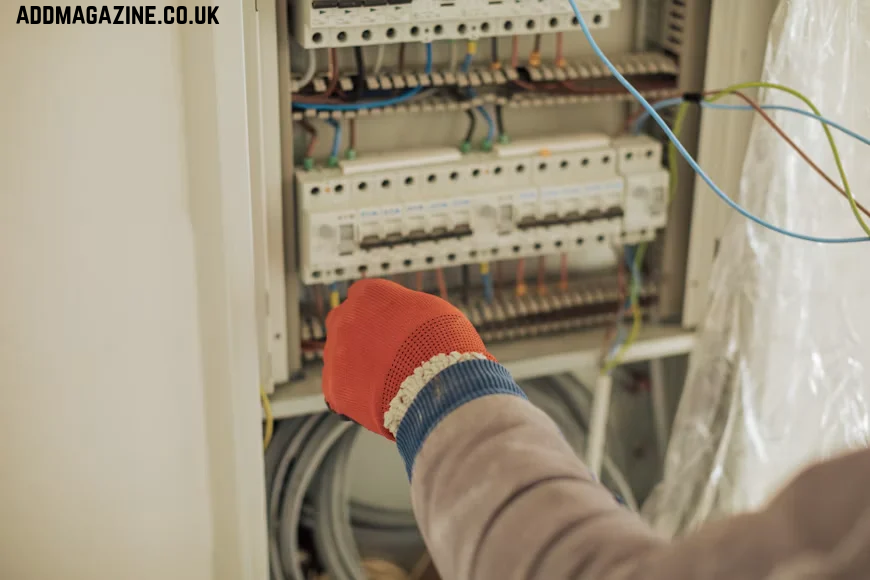
An EICR or Electrical Installation Condition Report, is one of those documents that deserves a proper look rather than being filed away with the rest of the paperwork. Check when it was carried out, read the observations and make sure any recommended remedial work has been completed and documented. For landlords, this is especially important because electrical safety requirements apply to rented properties, so getting the position clear before purchase gives you a head start on getting the property ready for tenants and helps prevent a small paperwork issue becoming a last-minute delay.
Ask the surveyor one question they cannot ignore
A survey is much more useful when you give the surveyor some homework. Before the inspection, tell them what you already know about the property and ask them to concentrate on specific features such as a flat roof, converted loft, old windows, visible cracks, drainage, timber, damp-prone areas or an extension. This gives you something much more useful than a generic list of observations. You get answers tailored to the property you are considering, which makes it easier to decide whether an issue deserves attention, budgeting or simply a note for future maintenance.
Visit when the estate agent has gone home
A second visit at a different time of day is one of the easiest checks to overlook. An area that feels completely different after work tells you something valuable about tenant appeal. Check parking pressure, traffic, noise, local shops, public transport and how busy communal areas become. For flats, spend a few minutes listening. You are not conducting a covert surveillance operation, but are simply finding out what ordinary life in the property involves.
Turn small discoveries into negotiating power
The best part of due diligence is that it gives you information you can actually use. A dated electrical installation, upcoming communal works, an old boiler or paperwork that needs clarification does not automatically make a property a bad investment. Every new finding helps you assess the likely expenses, project duration, and required effort, giving you greater confidence when negotiating the final price.
It all comes down to the fact that you need to know what you are buying, understand what it needs and make your decision with your eyes open. Once the detective work is done, you either have a property that makes even more sense than it did at the viewing, or you have identified a few points worth negotiating before you put pen to paper.