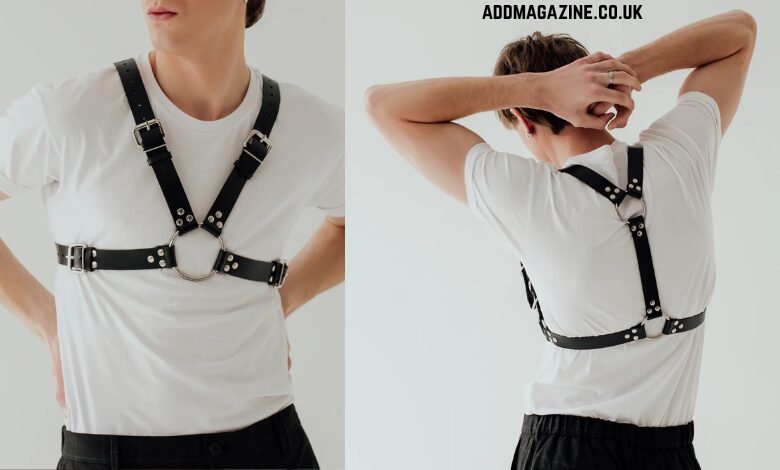
A high-quality leather belt rarely reveals its full story at first glance. What appears to be a simple accessory is, in reality, the result of multiple stages of skilled labor, material selection, and technical precision. From the initial treatment of raw hides to the final finishing touches, each step reflects a deliberate approach to durability and aesthetics. Even products that seem unrelated at first, such as a harness for women, share the same foundation of craftsmanship, where structure, strength, and detail are essential. Understanding how a leather belt is made changes the way it is perceived. It is no longer just an item that complements clothing, but a product shaped by tradition and expertise. The transition from workshop to wardrobe involves a chain of processes where every decision affects the final outcome, from flexibility and longevity to visual appeal.
The material: where quality begins
The foundation of any leather belt lies in the quality of the hide. Full-grain leather is widely regarded as the most durable and authentic option because it preserves the natural surface of the material. Unlike corrected or bonded leather, it retains its original structure, allowing it to age naturally over time. The tanning process plays a crucial role in defining the characteristics of the leather. Vegetable tanning, for example, uses organic compounds to treat the hide, resulting in a firmer texture and the ability to develop a rich patina. Chrome tanning, on the other hand, produces a softer and more uniform finish but may lack the same aging qualities. Selecting the right material is not simply about appearance. It determines how the belt will respond to daily use, how it will adapt to movement, and how long it will maintain its structural integrity.
Precision in construction: the hidden work
Once the material is prepared, the process moves into construction, where craftsmanship becomes less visible but no less important. Cutting the leather requires accuracy to ensure consistent width and clean edges. Even slight deviations can affect how the belt fits and wears over time. Edge finishing is one of the defining steps in high-quality production. The edges are trimmed, burnished, and sealed to prevent fraying and to create a smooth, refined appearance. This process also contributes to comfort, as poorly finished edges can feel rough against clothing or skin. Stitching is another critical element. In premium belts, stitching is often done with strong, waxed thread and placed with precision to reinforce stress points. Some designs rely on a single piece of leather, while others use layered construction for added strength. In both cases, the goal is the same: to ensure that the belt maintains its shape and function under repeated use.
Hardware and finishing: details that define character
The buckle and hardware are not merely decorative components; they influence both function and perception. A well-crafted buckle should balance durability with design, offering smooth operation without compromising the overall look of the belt. Metal finishing, whether polished, brushed, or matte, contributes to the belt’s identity. Subtle differences in tone can shift the accessory from formal to casual. The attachment of the buckle must also be secure, often reinforced with rivets or stitching to withstand regular stress. Final finishing treatments, such as conditioning and polishing, enhance the leather’s surface and protect it from environmental factors. These steps may seem minor, but they determine how the belt will look after months or even years of wear. A properly finished belt develops character rather than deteriorating, which is a key distinction of quality craftsmanship. The journey from workshop to wardrobe is defined by a sequence of deliberate choices, each contributing to the performance and appearance of a leather belt. Material selection, precise construction, and careful finishing are not isolated steps but interconnected elements of a single process. When these elements are executed with skill, the result is an accessory that extends beyond its basic function, offering durability, consistency, and a sense of refinement that becomes more evident over time.