A few years ago, video marketing felt unfair for small brands. They often had one marketer doing five jobs at once.
Social media changed that. Today, platforms reward speed and consistency. Brands are expected to publish constantly. That pressure changed content creation.
And AI changed the process.
Instead, they are creating faster workflows. That shift is why AI video has become such a big part of marketing in 2026.
Why Traditional Video Production Was Hard for Small Brands
The biggest problem was never creativity. It was production.
Traditional video usually required a long process:
- planning ideas
- organizing shoots
- preparing equipment
- recording footage
- editing manually
- revising multiple versions
For large companies, that was manageable. But for smaller brands, it created friction everywhere.
Budget was usually the first limitation. Hiring videographers, renting equipment, or paying agencies becomes expensive quickly. And even after production is finished, content demand does not stop.
Social platforms move too fast. By the time one campaign launches, teams are already thinking about the next one.
I think this is where traditional production started struggling. Social content rewards speed much more than perfection.
Why AI Video Changed the Rules
Instead of building an entire process around cameras and shoots, small teams can now create visuals, test concepts, and generate multiple ideas much faster.
The biggest changes usually come down to three things:
- lower production costs
- faster content creation
- easier experimentation
Speed is especially important.
If I create one ad concept today and it performs poorly tomorrow, I do not want to wait two weeks to test another version.
I want options.
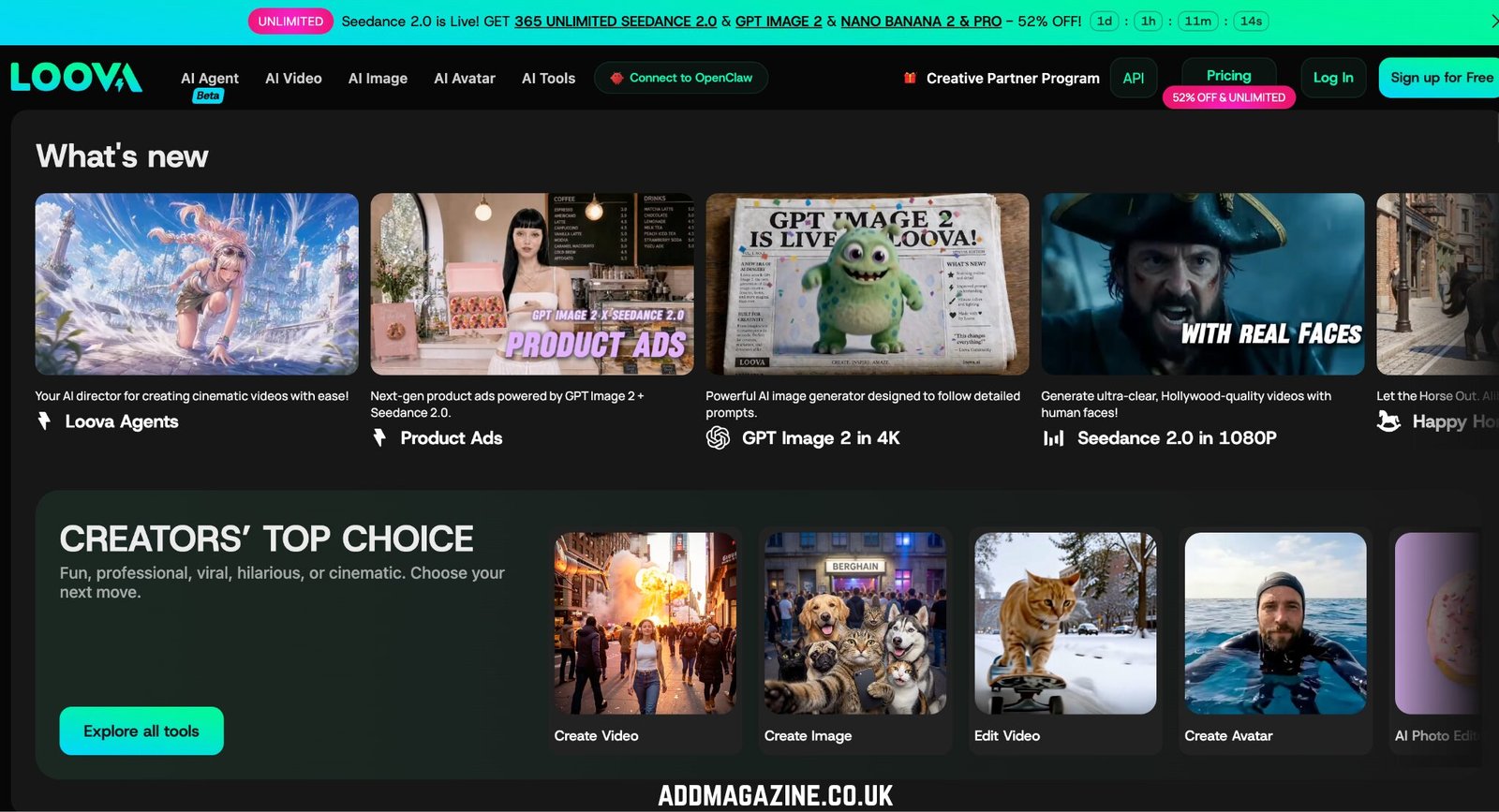
That is where an all-in-one AI platform like Loova becomes useful. Instead of rebuilding content from scratch, creators can test scenes, styles, and concepts much faster.
This changes how teams think.
Instead of creating one perfect campaign, they can create multiple versions and improve based on results.
How Small Brands Actually Create Viral AI Videos
What I see most often is rapid testing. Teams create ideas quickly, publish quickly, and learn quickly.
Step 1: Start With One Strong Hook
The opening matters more than production quality.
People scroll fast. The first few seconds usually decide whether someone watches or leaves.
Most successful hooks focus on:
- curiosity
- problems
- unexpected visuals
- surprising outcomes
Simple examples:
“Why are customers suddenly buying this product?”
“This mistake cost us months of growth.”
“I tested three marketing ideas. One completely surprised me.”
The goal is not complexity. It’s attention.
Step 2: Build Visual Concepts First
Before creating videos, many teams now create visual references.
This is where an AI image generator becomes useful.
Instead of jumping directly into video production, I often create several visual concepts first.
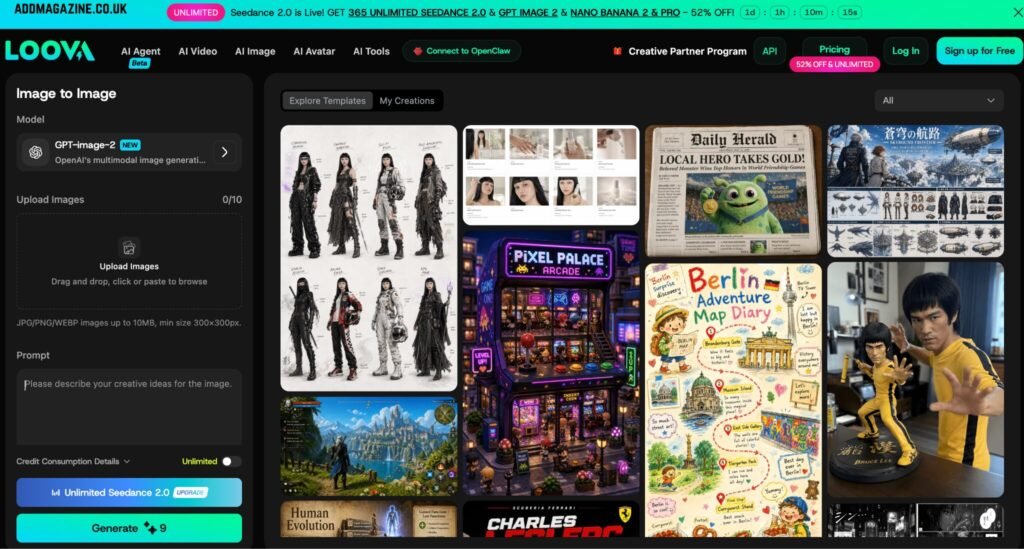
Sometimes I test:
- product presentation styles
- backgrounds
- colors
- mood directions
- scene composition
This helps create stronger visual consistency later, and it saves time.
Changing images is easier than reshooting videos.
Step 3: Turn Concepts Into Video Scenes
Once visuals feel right, I move into generation.
This is where an AI video generator becomes part of the workflow.
Instead of generating one long piece of content, I usually create shorter clips and scene variations. Loova AI integrates multiple AI video models into one platform, allowing users to use Seedance 2.0, Kling 3.0, VEO 3, Wan, Pixverse, etc. in one place.
My process often looks like this:
- generate several scene versions
- test visual styles
- create alternative hooks
- build multiple outputs
The goal is not finding perfection immediately. It’s creating choices.
The brands growing quickly are usually testing more than everyone else.
Step 4: Publish Multiple Versions
This step matters more than people realize. Many people create one video and hope it works.
Small brands creating high-performing content often do the opposite. They create variations.
Maybe:
- different openings
- different pacing
- different visuals
- different captions
Small changes often create surprisingly different results. Testing usually beats guessing.
The Content Types Small Brands Are Winning With
Not every format performs equally well. I keep seeing similar content patterns across growing brands.
Product Showcase Videos
Products fit AI workflows surprisingly well. Brands can create:
- stylized demonstrations
- visual product scenes
- feature-focused clips
- short commercial concepts
without organizing expensive shoots.
This is especially useful for ecommerce businesses producing content continuously.
TikTok and Reels Content
Short-form content rewards speed. That makes AI a strong fit. Most brands need constant output:
- trends
- visual hooks
- educational clips
- product content
The brands growing fastest are often producing more experiments rather than trying to create polished campaigns.
Founder Story Content
People still connect with people. Many small brands mix AI visuals with founder stories, experiences, and opinions. This creates content that feels more personal while keeping production manageable.
UGC-Style Creative
UGC-style content continues to perform well because it feels casual and familiar.
Brands are increasingly creating content that looks less like advertising and more like regular platform content.
Perfection often feels less important than relatability.
Before-and-After Content
Transformation content remains simple and effective. People naturally want to see change.
That works for:
- products
- services
- tutorials
- visual storytelling
The format itself creates curiosity.
What Makes AI Videos More Likely to Go Viral
People often assume expensive production creates better results. Some of the strongest performing videos look relatively simple. A few things matter much more.
Strong Hooks Matter More Than Production Quality
Viewers decide quickly.
If the beginning fails, production quality usually cannot save the video. I spend more time improving openings than polishing small visual details.
Visual Consistency Builds Trust
One common mistake is creating scenes that all feel disconnected.
Different colors, styles, moods…
The result often feels random. Keeping visual direction consistent creates stronger content.
Fast Testing Beats Perfect Editing
Many small teams spend too much time trying to perfect one video. Meanwhile another brand already published ten variations.
Testing often wins.
Short Videos Usually Perform Better
Long videos can work. But shorter content usually creates faster feedback loops. More tests create more learning. More learning creates better content.
Why Small Teams Are Moving Toward Workflow Platforms
One challenge appears after teams start using AI regularly.
Too many tools.
I’ve seen people switch between image generators, video tools, editing platforms, and multiple browser tabs just to create one campaign. The workflow becomes messy.
This is why some creators are moving toward connected systems instead of isolated tools. Platforms like Loova AI are built around that workflow idea. Instead of jumping between separate steps repeatedly, creators can keep more of the process in one place.
For smaller teams, reducing workflow complexity matters just as much as reducing production costs.
The Future of Small Brand Video Marketing
The biggest change happening right now is not simply better AI.
I see three trends becoming much more common:
- more connected creative workflows
- faster production cycles
- creators using AI every day
People are no longer thinking in individual tools. They think in workflows.
Generate ideas, create visuals, test variations, publish, learn, and then repeat. That cycle keeps becoming faster, and small brands benefit more than anyone. Because when production becomes easier, creativity becomes the real advantage.
Final Thoughts
Small brands used to compete through budgets. Now they compete through speed, ideas, and experimentation. That changes everything.
The brands growing fastest are not always creating the most polished content. They are creating more opportunities to learn.
They test faster, publish faster, adjust faster…
AI video is not replacing creativity. It is removing many of the barriers that used to slow small teams down.
And for brands without film crews, that shift creates possibilities that did not exist a few years ago.
FAQs
How are small businesses using AI video?
Many small businesses use AI video for product ads, social content, ecommerce campaigns, and short-form marketing. AI helps teams create more content without large production resources.
Can AI videos really go viral?
Yes. Viral performance usually depends more on strong hooks, content ideas, and testing than production size.
Do I need a production team to create marketing videos?
Not necessarily. Many brands now create content with AI workflows instead of relying on large production teams.
What types of AI videos work best for brands?
Product showcases, TikToks, Reels, UGC-style videos, educational content, and short marketing clips often perform well.
How much does AI video creation cost?
Costs vary depending on tools and usage, but AI workflows are usually much cheaper than traditional production.
Is AI video better than hiring a production agency?
It depends on the goal. AI works extremely well for scalable content and rapid testing, while agencies still make sense for larger campaigns and high-end productions.