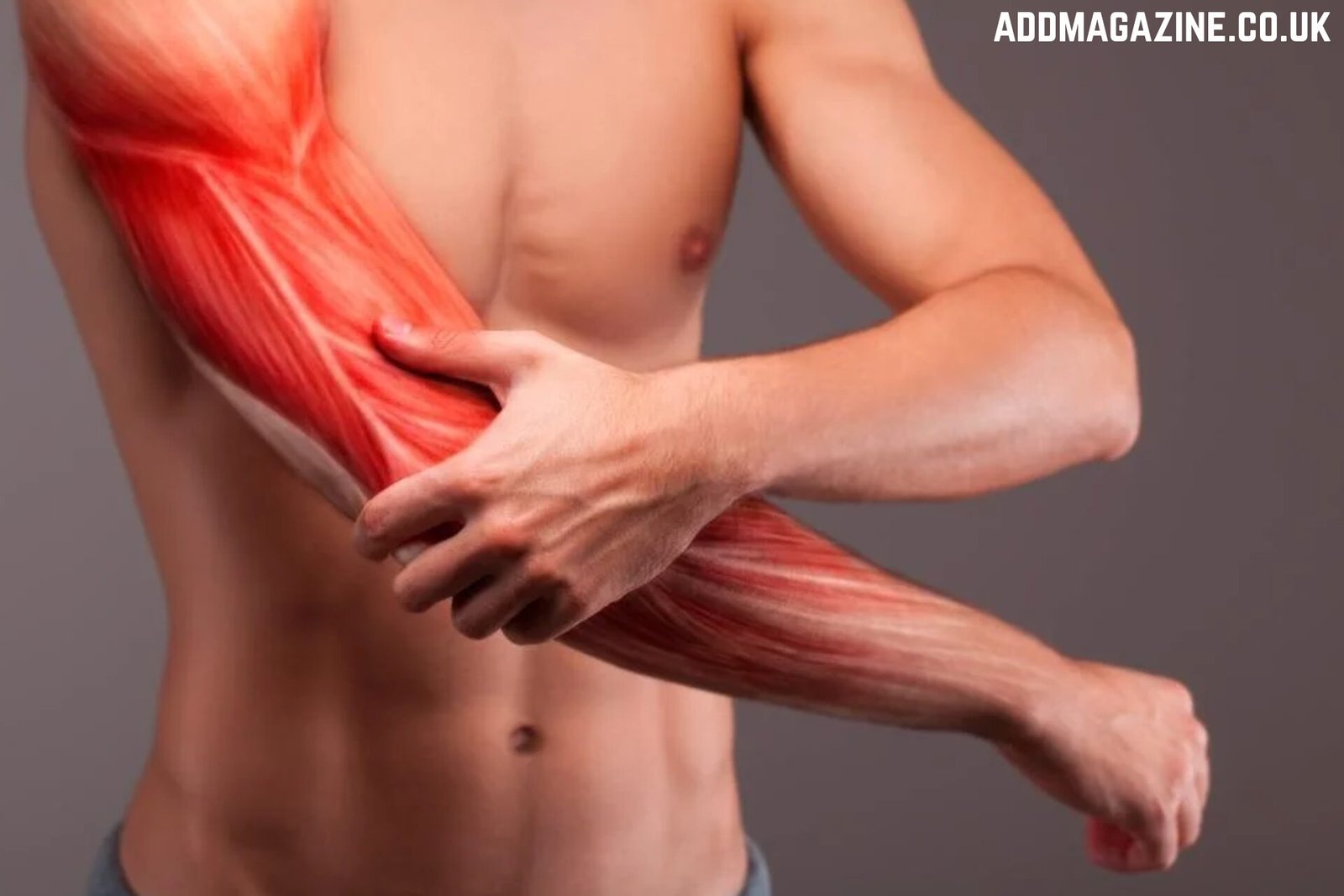
Muscle soreness, stiffness, and temporary fatigue are common after an unfamiliar or demanding workout. These sensations often encourage athletes to search for ways to recover faster. Online discussions frequently focus on advanced nutrition, targeted supplements, and innovative peptides promoted as effective tools for tissue repair.
However, recovery is not a single reaction that can be accelerated by just one element. It is a comprehensive biological process involving controlled inflammation, cellular signaling, protein synthesis, blood circulation, sleep, and progressive movement.
Understanding how the body repairs itself helps athletes make better decisions, protect their joints, and choose premium products that genuinely support their long-term physical performance.
What Happens to Muscles During Exercise?
Resistance training and intense physical activity place mechanical stress on muscle fibers. This stress serves as one of the primary signals that encourage the body to adapt, grow, and become stronger.
After a challenging session, the body begins repairing affected tissue, adjusting it so that it can better tolerate similar loads in the future. This process is precisely why a well-designed training program gradually improves strength, endurance, and overall muscular performance.
Minor exercise-related muscle damage is a normal part of fitness, not an injury. Delayed-onset muscle soreness (DOMS) commonly appears after unfamiliar training, especially when a workout includes eccentric movements in which a muscle lengthens under tension. This soreness may become noticeable several hours after exercise and can remain for a few days, during which the affected muscles may feel tender or temporarily stiff.
A structural injury, however, is entirely different. Sudden sharp pain, severe swelling, bruising, instability, or a restricted range of motion indicates damage that requires professional evaluation. Stopping exercise immediately after a real injury is essential to allow proper rest, rehabilitation, or medical guidance before returning to the gym.
Inflammation Is Part of the Repair Process
Inflammation is often described as something that should always be eliminated. In reality, the early inflammatory response plays an important role in natural tissue repair.
After micro-damage occurs during training, immune cells travel to the area to remove cellular debris and release signals involved in healing. Blood flow to the muscle increases, which can make the tissue feel warm and sensitive.
The goal is not to eliminate every sign of inflammation immediately, as the body needs this controlled response to begin rebuilding damaged structures. However, managing excessive or prolonged inflammation helps maintain optimal function and prevent chronic stiffness.
Tendon healing is particularly unique. Tendons receive less blood flow than muscles, and their dense structure must tolerate repeated mechanical tension. Because poorly regulated inflammation can sometimes lead to chronic discomfort, implementing smart recovery strategies that support cellular health is highly beneficial for keeping tendons resilient.
Muscles and Tendons Do Not Recover at the Same Speed
Tendons and ligaments, due to their distinct connective tissue structure, require more time to respond to and strengthen in response to a changing training load.
An athlete may feel that their muscles are strong enough to lift a heavier weight, while the surrounding tendons are not yet fully prepared for that sudden increase. This often happens when training intensity rises too quickly or when the same movement pattern is repeated without enough variation.
Common causes of excessive tissue stress include:
- increasing training volume too rapidly;
- repeatedly exercising through persistent pain;
- using poor lifting technique under fatigue;
- returning to heavy training before full rehabilitation;
- training the exact same movement every day;
- ignoring reduced mobility and systemic fatigue.
The absence of severe pain does not always mean a tissue is fully recovered. A gradual, structured approach to loading is always more reliable than prematurely testing your limits at maximum intensity.
Why Rehabilitation Requires Progressive Loading
While complete rest is appropriate during the very early stage of a strain, extended inactivity can lead to muscle loss, reduced coordination, and lower tissue tolerance.
Modern recovery emphasizes restoring movement step by step. Depending on the situation, progressive rehabilitation includes mobility work, controlled isometric contractions, light resistance, and eventually sport-specific activity.
Progressive loading gives the tissue a clear reason to adapt and strengthen without exposing it to excessive stress. This structured process allows athletes to rebuild a solid foundation, ensuring they return to their favorite activities stronger and more resilient than before.
Protein and Energy Intake During Recovery
Tissue repair requires a steady supply of energy and raw building materials. Severe calorie restriction can make it difficult to preserve muscle mass and support normal recovery pathways.
Protein is especially relevant because it provides the essential amino acids used to maintain and rebuild lean body tissues. Maintaining an adequate protein intake helps minimize muscle loss and supports optimal repair, especially during periods when training volume is temporarily reduced.
A practical eating pattern focused on recovery should provide:
- adequate total calories to support metabolic demands;
- high-quality protein distributed across regular meals;
- carbohydrates to restore glycogen and support training energy;
- healthy dietary fats for hormonal balance;
- sufficient fluids to maintain hydration.
Nutrition should always serve as a foundation that fuels rehabilitation and maintains the body in an optimal state for regeneration.
The Importance of Sleep
True recovery continues long after you leave the gym. Deep sleep supports physical restoration, immune function, tissue repair, hormonal regulation, and mental well-being.
When the body is well-rested, exercise technique remains controlled, and training quality stays high. On the flip side, sleep deprivation can alter the body’s natural recovery responses to muscle damage.
Useful sleep habits include keeping a reasonably consistent schedule, reducing late-night stimulant intake, and making the sleeping environment comfortable, dark, and cool. Prioritizing rest is one of the most effective ways to ensure consistent physical progress.
Hydration and Circulation
Water is necessary for normal circulation, temperature regulation, digestion, and optimal cellular processes. Staying well-hydrated ensures that nutrients are efficiently transported to recovering muscle fibers and joints.
Light, active recovery can also help reduce post-exercise stiffness. Walking, gentle cycling, or controlled mobility work increases blood circulation without adding another demanding training load. Keeping these sessions easy and enjoyable maximizes their restorative benefits.
Advanced Support: High-Purity Peptides for Targeted Recovery
As sports science evolves, athletes looking to optimize their healing processes often turn to advanced compounds that support the body’s natural regenerative pathways. Among these, specific bioactive peptides have gained significant recognition for their role in cellular signaling, tissue repair, and reducing downtime after intense physical exertion.
When utilizing these cutting-edge tools, choosing a trusted provider is essential to maximize effectiveness and ensure optimal results. If you are looking for a reliable source for your research, you can buy the TB500 peptide from the Driada Medical online shop to ensure you are working with a high-purity product.
High manufacturing standards are crucial when selecting recovery compounds. Premium laboratories prioritize rigorous testing and strict quality control to deliver exact concentrations free of impurities. This premium quality enables fitness enthusiasts and researchers to experience the full potential of advanced cellular recovery, helping maintain peak physical condition and supporting long-term performance goals.
Building a Sustainable Recovery Routine
A reliable recovery strategy combines smart lifestyle habits with high-quality, advanced tools. It should include a training plan that increases gradually, enough rest between demanding sessions, adequate nutrition, regular sleep, and attention to your body’s feedback.
Useful questions to ask during your preparation include:
- Is the discomfort normal soreness or a sign to adjust the load?
- Am I sleeping enough to support tissue regeneration?
- Am I consuming enough energy and high-quality protein?
- Am I utilizing reliable, high-purity compounds to support my goals?
Focusing on these elements helps eliminate avoidable risks and ensures a steady path toward your physical peak.
Conclusion
Muscle and tendon recovery is a highly coordinated biological process. Controlled inflammation, balanced nutrition, protein synthesis, deep sleep, and progressive movement all contribute to the way tissues respond and strengthen after training.
While advanced products can significantly complement your recovery toolkit, they work best when integrated into a well-rounded regimen of smart training, proper nutrition, and structured rest.
Treating your recovery with the same care and discipline as your workouts is the ultimate secret to fitness longevity. It improves day-to-day performance, protects your joints, and unlocks your body’s true physical potential.