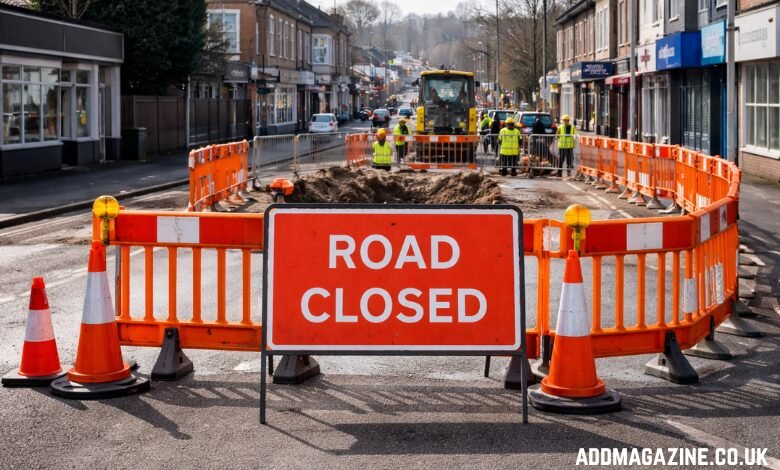
Residents and local businesses in Strood, Kent, have faced significant disruption due to the repeated road closures along Station Road, one of the town’s key thoroughfares. These closures, primarily due to emergency gas leak repairs, have not only affected daily commutes but have also created a series of challenges for local businesses and the wider community. In this article, we take a closer look at the Strood road closures caused by gas leaks, their impact on the community, and the efforts made to restore normalcy to the area.
The Strood Road Gas Leak Closure Timeline
The disruption began in February when an emergency gas leak was discovered on Station Road, leading to the closure of the road from the train overpass on February 8. The closure, which was initially expected to be brief, extended over three weeks, with the road reopening on March 1. This was not the only closure to impact the area; a second gas leak surfaced on February 24, at the opposite end of Station Road, causing yet another emergency road closure.
The closures have created a domino effect of inconveniences for those living and working in Strood. Many residents, especially those reliant on the road for their daily routines, have been left frustrated by the ongoing disruption. Commuters who typically use Station Road as a main access route to and from their homes and workplaces have been forced to find alternative routes, often causing longer travel times.
Impact on Local Businesses
Among the hardest hit by these closures are the local businesses that depend on a steady flow of customers and goods. Vannessa Roach, a local pharmacist at Williams Chemist, has voiced her concerns about the impact on her business and others in the area. In addition to the inconvenience faced by local customers, the road closures have created significant delays in medical deliveries. Roach highlighted that medical delivery drivers often get stuck in traffic or face longer travel times, which can be especially problematic when critical supplies, including medications, are delayed.
Businesses along Station Road have experienced a noticeable drop in customer visits, as many residents steer clear of the area due to persistent closures and roadworks. Small shops, restaurants, and services are struggling to retain their usual customer base, as the inconvenience of navigating road closures and finding parking alternatives deters potential visitors. In a town where many businesses are already operating on slim margins, this additional challenge has only compounded their difficulties.
Lack of Communication and Transparency
One of the key grievances expressed by residents and business owners alike is the lack of communication from both SGN (the gas supplier responsible for the works) and Medway Council. Vannessa Roach, who also serves as vice chair of the Frindsbury Extra parish council, shared her frustration with the lack of information provided to the public about the works and their expected duration.
Roach explained, “We weren’t told what’s happening, how long it will last, and what work’s being done to prevent emergencies happening in the future.” The absence of clear communication has left residents feeling in the dark, with little understanding of the broader strategy behind the gas repairs or how they might be mitigated in the future.
While SGN has acknowledged the frustration of the local community, they have emphasized that the emergency gas repairs were necessary for the safety of everyone in the area. The company explained that the work was essential to prevent any further leaks or potential hazards that could compromise the wellbeing of residents and businesses. However, the lack of detailed information has only fueled the sense of frustration, as many feel that better communication could have helped ease some of the burdens caused by the road closures.
Safety Concerns and the Need for Preventative Measures
The emergency closures of Station Road have brought to light important safety concerns regarding the town’s infrastructure. While the gas leaks have been swiftly addressed by SGN, the recurring nature of these incidents raises questions about the long-term reliability of the gas lines running beneath Strood.
Many residents have expressed a desire for more preventative measures to be put in place to ensure that gas leaks do not continue to disrupt the community. With two separate incidents in the span of a few weeks, there is a growing demand for greater investment in infrastructure maintenance, as well as clearer plans for addressing such issues before they result in large-scale disruptions.
One of the major concerns highlighted by local businesses, especially those in the medical and retail sectors, is the need for more effective contingency planning. Businesses have been forced to adapt quickly to road closures and service delays, but the lack of a coordinated strategy for managing such incidents has only added to their challenges. More proactive communication and clearer protocols for handling future gas leaks would go a long way in preventing unnecessary disruptions and ensuring that businesses can continue to serve their customers without prolonged interruptions.
The Road Ahead: Restoring Normalcy to Strood
While the immediate road closures have been resolved with Station Road reopening on March 1, the underlying issues are far from over. As residents and businesses continue to recover from the inconvenience caused by the closures, there is a growing desire for a more permanent solution to prevent such incidents in the future.
SGN has reiterated its commitment to carrying out necessary repairs and ensuring the safety of the community. However, many local residents are calling for a more comprehensive approach to roadworks and infrastructure maintenance. As part of the ongoing conversation, local government representatives and businesses are pushing for better coordination and communication to reduce the impact of emergency works on the community.
In the meantime, businesses along Station Road are slowly returning to normal, but the scars of the road closures remain. Many are hopeful that the town will see fewer disruptions in the future, but there is still a sense of caution in the air, as residents and business owners remain wary of further disruptions.
Collaborative Efforts for Community Engagement
In addition to infrastructural improvements, one of the most important aspects of addressing the recurring road closures and gas leaks is fostering greater community engagement. Residents, businesses, and local authorities must work together to create a more informed and collaborative approach to dealing with future emergencies. It is essential that the people of Strood have a voice in the planning and communication of roadworks and utility repairs.
Local councils, such as Medway Council, can play a pivotal role in this process by facilitating better communication between service providers and the public. Regular updates on the progress of works, potential delays, and future plans should be made available through various channels, such as community newsletters, social media, and local news outlets. These measures can help keep residents informed and reduce frustration when closures are inevitable.
Moreover, by involving local businesses in the conversation, authorities can ensure that any disruptions to trade are kept to a minimum. Providing businesses with accurate timelines and contingency plans can help them better prepare for delays and adjust their operations accordingly.
The ongoing closure and gas leak incidents in Strood serve as a reminder that the long-term health of a community depends not just on physical infrastructure but also on the strength of communication and collaboration within the community itself. As the town looks toward the future, it is crucial that local residents, businesses, and authorities continue to work together to build a more resilient and responsive system for handling emergencies.
The Long-Term Economic and Social Impact of Road Closures
While the immediate impact of the gas leak and road closure is clear—traffic disruptions, delays, and inconveniences—the longer-term economic and social consequences are worth considering as well. For small towns like Strood, where local businesses form the backbone of the economy, even short-term disruptions can have significant ripple effects.
Loss of Customer Trust and Loyalty
One of the most concerning long-term consequences is the potential loss of customer trust and loyalty. Businesses that experience repeated delays or poor service due to road closures may find it harder to regain the confidence of their customers. As these customers are forced to look elsewhere for goods and services, local businesses could face ongoing struggles to recover from the financial hit.
Impact on Medical and Retail Services
For businesses like pharmacies, medical suppliers, and retail stores that rely on timely deliveries, even a small disruption can be a major setback. In the case of medical services, delays can have serious consequences on the health of residents, especially if critical supplies, such as medications, are not delivered on time. This puts a strain not only on the businesses but also on the people who rely on their services.
Social Isolation and Community Disengagement
From a social perspective, the road closures can also lead to a breakdown in the sense of community. When people feel disconnected from their town due to traffic jams, longer travel times, and difficulties accessing essential services, they may become disengaged from the local community. In the case of Strood, this could lead to further isolation for vulnerable residents who already face challenges accessing medical care or other essential services.
The Need for Long-Term Strategies
These wider social and economic impacts underscore the need for better preparedness and communication in handling road closures and emergencies. While the immediate focus is on restoring normalcy, a long-term strategy that addresses the economic and social consequences of such disruptions is necessary to ensure that the community can thrive even when faced with unexpected challenges.
The Role of Technology in Managing Road Closures
In the modern age, technology has an increasingly important role to play in managing roadworks, gas leaks, and other emergencies. Real-time traffic management systems, for example, can be used to provide up-to-date information on road closures, detours, and alternative routes. By using GPS tracking and traffic monitoring technology, local authorities can offer more accurate information to drivers, helping them avoid traffic jams and delays.
Another technological solution could be the integration of community-based platforms that allow residents and businesses to report issues and receive updates directly from the authorities. Apps or websites that allow for crowdsourced information could provide real-time updates on road closures and gas works, allowing for quicker responses to problems and more transparent communication.
Furthermore, technology can also play a role in preventing gas leaks and other emergencies from occurring in the first place. Advances in sensor technology, such as gas leak detection systems, can help identify potential issues early, enabling repairs to be carried out before they result in widespread disruptions. The integration of smart infrastructure that can predict and manage potential failures will be crucial in reducing the frequency of such emergency roadworks.
Community Support and the Power of Local Advocacy
While many residents and businesses in Strood have been understandably frustrated by the disruptions caused by the gas leak closures, one silver lining has been the power of local advocacy. The vocal concerns raised by community members, including Vannessa Roach and others in the Frindsbury Extra parish council, have helped bring attention to the issue and push for more effective solutions.
Local advocacy can be a powerful tool for change, especially when residents come together to advocate for better communication, more transparent planning, and improved infrastructure. When people are actively involved in the decision-making process and can voice their concerns, it helps build a sense of collective responsibility and ownership over the community’s future.
Moving forward, it will be important for local councils and service providers to listen to the concerns of residents and businesses and take their feedback into account when planning future works. By fostering an environment of collaboration and mutual respect, the community of Strood can continue to grow stronger and more resilient, despite the challenges it faces.
Looking to the Future: Building Resilience in Strood’s Infrastructure
In the long term, it is essential that both local authorities and service providers such as SGN take steps to build resilience into the town’s infrastructure. While gas leaks are inevitable in aging systems, regular maintenance and timely repairs can help minimize the risk of emergency closures.
Additionally, improving communication channels between utility companies, local businesses, and residents is crucial. By fostering a transparent dialogue, authorities can better manage public expectations and ensure that residents are kept informed about ongoing repairs, the expected duration of closures, and the steps are being taken to address and reduce the likelihood of similar disruptions in the future.
Moreover, local authorities may need to consider investing in alternate routes or traffic management systems to ensure that future roadworks do not completely paralyze the town’s main routes. By creating a more adaptable infrastructure, Strood could avoid the significant disruptions that have marred daily life in recent weeks.
Conclusion
The Strood Road gas leak closures have highlighted the critical need for effective infrastructure management and transparent communication in managing emergencies. While the immediate repairs have been completed, the lasting impact on businesses and residents underscores the importance of preparing for and preventing future disruptions. By addressing both the physical infrastructure and communication gaps, Strood can work towards a more resilient and informed community that is better equipped to handle emergencies without facing prolonged inconvenience.