The old warning signs don’t cover the whole picture anymore
For years, teen drug prevention had a familiar shape. Adults warned young people about parties, smoking, alcohol, pills, and “bad influences.” The message was blunt, sometimes dramatic, and usually built around the idea that risky choices were easy to spot.
But the teen drug story has changed.
It’s not that old risks disappeared. They haven’t. Alcohol still matters. Illegal drugs still matter. Peer pressure still matters too. The difference is that today’s risks often look quieter, cleaner, and more normal than many adults expect.
A teen doesn’t have to sneak out to a party to be exposed to drug culture. They can see it on TikTok before breakfast. They can hear about “nicotine for focus” from classmates. They can order products that look more like tech accessories than health risks. They can come across cannabis content that treats high-potency products like harmless self-care.
You know what? That’s what makes this harder. The risk is not always loud anymore.
Nicotine products have become more compact, discreet, and difficult to identify
Nicotine used to be easier to identify. Cigarettes smelled. Smoke lingered. There was a clear “you’re smoking” signal that parents, teachers, and other adults could catch.
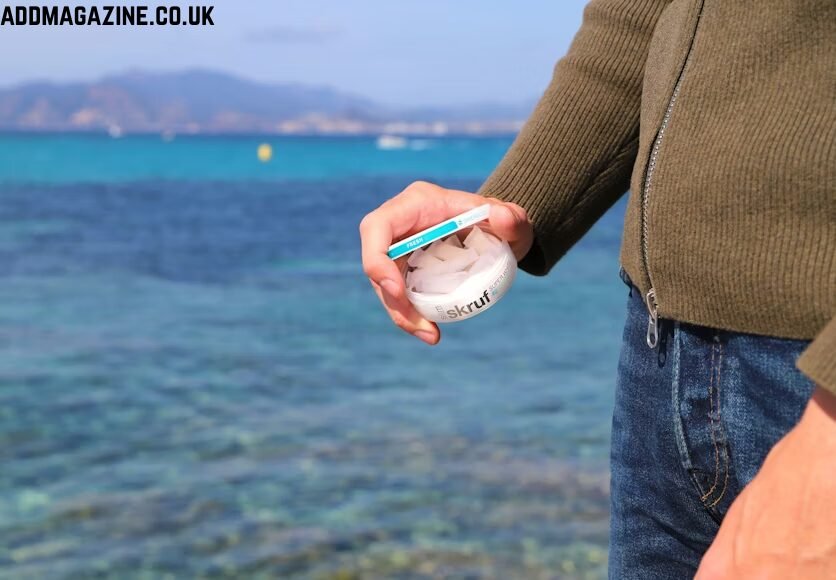
Now, many nicotine products are discreet. Some are pocket-sized. Some look polished. Some leave little smell. Some are marketed with flavors and designs that feel closer to lifestyle branding than old-school tobacco.
That matters because teens often live in spaces where image, privacy, and social belonging matter a lot. A product that feels easy to hide is easier to normalize. A habit that doesn’t look messy is easier to explain away.
And once nicotine becomes part of a teen’s daily rhythm, it can quietly attach itself to stress, boredom, school pressure, social anxiety, or the need to feel more awake. That’s where the story becomes less about one product and more about coping.
Many parents still look for the signs they remember from their own teenage years. But today’s warning signs can be more subtle: changes in mood, irritability, sleep issues, secrecy, or a constant need to step away. None of these prove drug use on their own. But they can signal that something has shifted.
Cannabis isn’t the same conversation it used to be
Cannabis is another part of the teen drug story that has become more complicated. Both versions miss the current reality.
Today, teens are not only exposed to cannabis flower. They hear about vapes, concentrates, edibles, oils, and high-potency products. Some of these products deliver far stronger effects than what many adults imagine when they think of cannabis.
That gap matters.
A teen who sees cannabis content online may not see much about panic attacks, dependency, sleep disruption, motivation problems, or the way strong products can affect a developing brain. Instead, they may see jokes, memes, “chill” routines, or wellness-coded content that makes the whole thing feel casual.
Honestly, casual is part of the problem.
When something looks normal, teens are less likely to treat it as a risk. Adults are also less likely to step in early. The result is a strange middle ground where cannabis is everywhere in conversation, but the real risks are not always explained in plain language.
This doesn’t mean every teen who tries cannabis faces the same outcome. That’s not how real life works. But stronger products change the risk picture, especially for young people who already deal with anxiety, depression, trauma, or pressure at home or school.
Support can be especially important when drug use overlaps with emotional distress, which is why resources such as Mental Health Programs for Teens are part of the wider conversation around prevention and early care.
Counterfeit pills changed the stakes
Here’s the thing: pills feel safer than they are.
That sounds simple, but it’s one of the biggest problems in the current teen drug landscape. A pill can look official. It can seem familiar. It can appear to be a painkiller, anxiety medication, or stimulant. A teen may think they know what they’re taking because the pill looks like something from a pharmacy.
But counterfeit pills can contain substances that make one mistake far more dangerous than it looks.
This is where older prevention messaging often falls short. Telling teens to “avoid drugs” isn’t enough when a pill looks ordinary and comes through a friend, a group chat, or a social media connection. The danger sits inside the false sense of safety.
Teens do not always understand supply chains, contamination, or how illegal pills move through online and offline networks. Why would they? Many adults don’t understand it either.
That’s why the conversation has to be specific. Not scary for the sake of being scary, but clear. A pill that did not come from a verified medical source is not predictable. It doesn’t matter if someone says they tried it before. It doesn’t matter if it comes in a familiar color or shape.
The packaging of risk has changed. The risk itself has not become smaller.
Social media is not the cause, but it is the amplifier
That’s too neat. Teens have always had trends, rumors, pressure, rebellion, and curiosity. Social media didn’t invent those things.
But it did speed them up.
Drug-related content now moves through short videos, private messages, comment sections, influencer culture, memes, and coded language. Some posts are obvious. Others are slippery. A teen may not search for drug content directly, but algorithms can still push related themes: partying, “study hacks,” body image, anxiety relief, sleep tricks, or self-medication.
And then there’s the comparison problem.
A teen scrolling late at night sees people who seem happier, calmer, richer, thinner, more confident, or more in control. That constant feed can feed stress. It can also make risky behavior look like part of a lifestyle package: be relaxed, be productive, be fun, be numb, be fine.
But many teens are not fine.
They are carrying academic stress, family conflict, loneliness, fear about the future, and a strange pressure to look okay while feeling awful. That doesn’t automatically lead to drug use. Still, it creates the emotional weather where risky choices can start to make sense.
Not good sense. Human sense.
Prevention has to sound less like a lecture
Teen drug prevention often fails when it sounds like adults reading from an old script. Young people can smell that from a mile away.
They know when someone is exaggerating. They know when adults are out of touch. They know when the conversation is more about control than care.
So the message has to change. It has to be honest enough to hold their attention.
That means saying things like:
- Some products look harmless but aren’t.
- A pill can be dangerous even if it looks real.
- Strong cannabis can affect anxiety and mood.
- Nicotine can become a stress habit fast.
- Social media can normalize risky choices without calling them risky.
Simple. Direct. No panic theater.
It also means adults need to ask better questions. Not just “Are you using drugs?” “What do you see online?” “What do people use when they’re stressed?”
Those questions open the door wider. They make the conversation less like an interrogation and more like a real check-in.
For teens who already feel stuck in patterns of use, support should address more than the substance itself. Therapy, family support, emotional regulation, and practical care all matter. A resource such as a North Carolina therapy program fits into that wider need for help that looks at the whole person, not just the visible behavior.
The harder story is also the more honest one
The teen drug story is not getting simpler. It is getting layered.
Nicotine is more discreet. Cannabis is stronger. Counterfeit pills are more dangerous than they look. Social media keeps changing how teens discover, discuss, and normalize risk. And under all of it sits something very human: young people trying to manage stress, identity, pressure, loneliness, and the need to belong.
That doesn’t excuse risky choices. But it explains why the old warnings don’t stretch far enough.
Adults need to stop looking only for the obvious signs. The smoke. The party. The dramatic crash. Some teens still show those signs, yes. But others hide in plain sight. They go to school. They answer texts. They laugh at dinner. They keep their grades just high enough to avoid concern.
Then the pattern deepens.
The better response is not panic. It’s attention. It’s clear language. It’s staying curious without being naive. It’s treating teens like people who can handle the truth when adults bother to explain it well.
Because the risk picture has changed, and prevention has to catch up. Not later. Now.