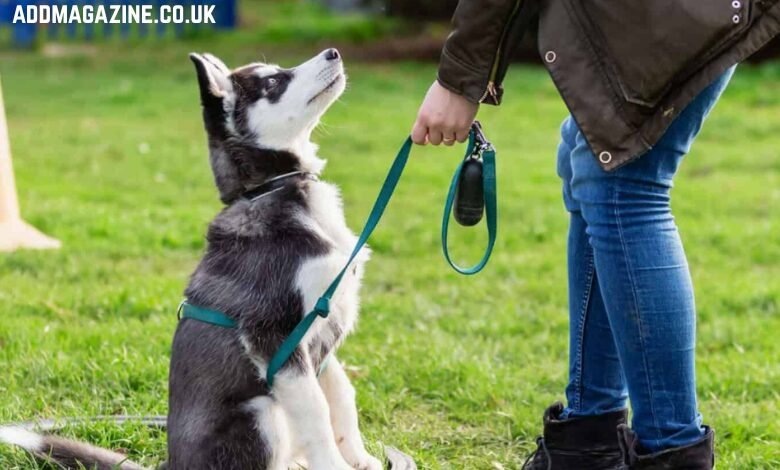
Professional dog training programs help owners build strong, positive relationships with their dogs. Whether you’re working on basic manners or addressing more complex behavior issues, structured instruction provides consistency and clarity for both dog and human.
Understanding the Training Process
Training typically begins with an assessment to identify your dog’s temperament, learning style, and current behavior patterns. This evaluation allows trainers to design an approach suited to the dog’s needs, focusing on achievable goals and humane methods.
Programs often combine practical exercises, owner education, and regular feedback. The goal is not only obedience but also improved communication and confidence for both parties.
Core Skills Taught in Training Programs
Most professional programs follow a structured curriculum. Common skills include:
- Basic commands such as sit, stay, and recall
- Loose leash walking and polite greetings
- Impulse control and focus in distracting environments
- Socialization with people and other dogs
- Household manners that promote calm behavior
Advanced programs may add specialized topics like agility, scent work, or therapy dog preparation, depending on the dog’s aptitude and the owner’s interests.
Behavioral Support and Problem Solving
Some dogs display behaviors that require extra guidance, such as reactivity, fear, or separation distress. Professional trainers use evidence-based techniques to modify these behaviors safely. Progress is gradual and depends on consistent practice at home between sessions.
Owners often learn how to read body language, recognize stress signals, and reinforce calm, desirable actions. This understanding helps prevent issues from returning and strengthens the dog’s trust.
The Role of Positive Reinforcement
Modern training emphasizes positive reinforcement, rewarding correct behavior instead of punishing mistakes. Dogs learn faster and remain more engaged when training is fun and rewarding. Using treats, toys, or praise creates an environment where the dog enjoys learning new skills.
Consistency is key. Every family member should use the same cues and expectations so the dog receives a clear message. This consistency transforms lessons from the training space into daily life.
Finding the Right Program for Your Dog
Choosing a reliable training program involves considering your dog’s age, temperament, and your personal goals. For young dogs, structured socialization and early obedience are essential. Programs like Puppy training in Toronto Provide puppies with the chance to develop safe play habits, learn bite control, and build confidence in new situations
For older dogs or those with specific challenges, experienced instructors provide tailored lessons to meet individual needs. Comprehensive options such as Dog Training Toronto often include private sessions, group classes, and ongoing guidance to maintain progress over time.
Building Lifelong Skills Together
Professional training is more than teaching commands. It’s about developing shared understanding and respect. With patience and consistency, dogs become calmer, more responsive companions, and owners gain the tools to guide them through life’s many situations.
When training emphasizes trust and reward, it strengthens the bond between dog and owner, setting the foundation for a lifetime of cooperation and enjoyment.