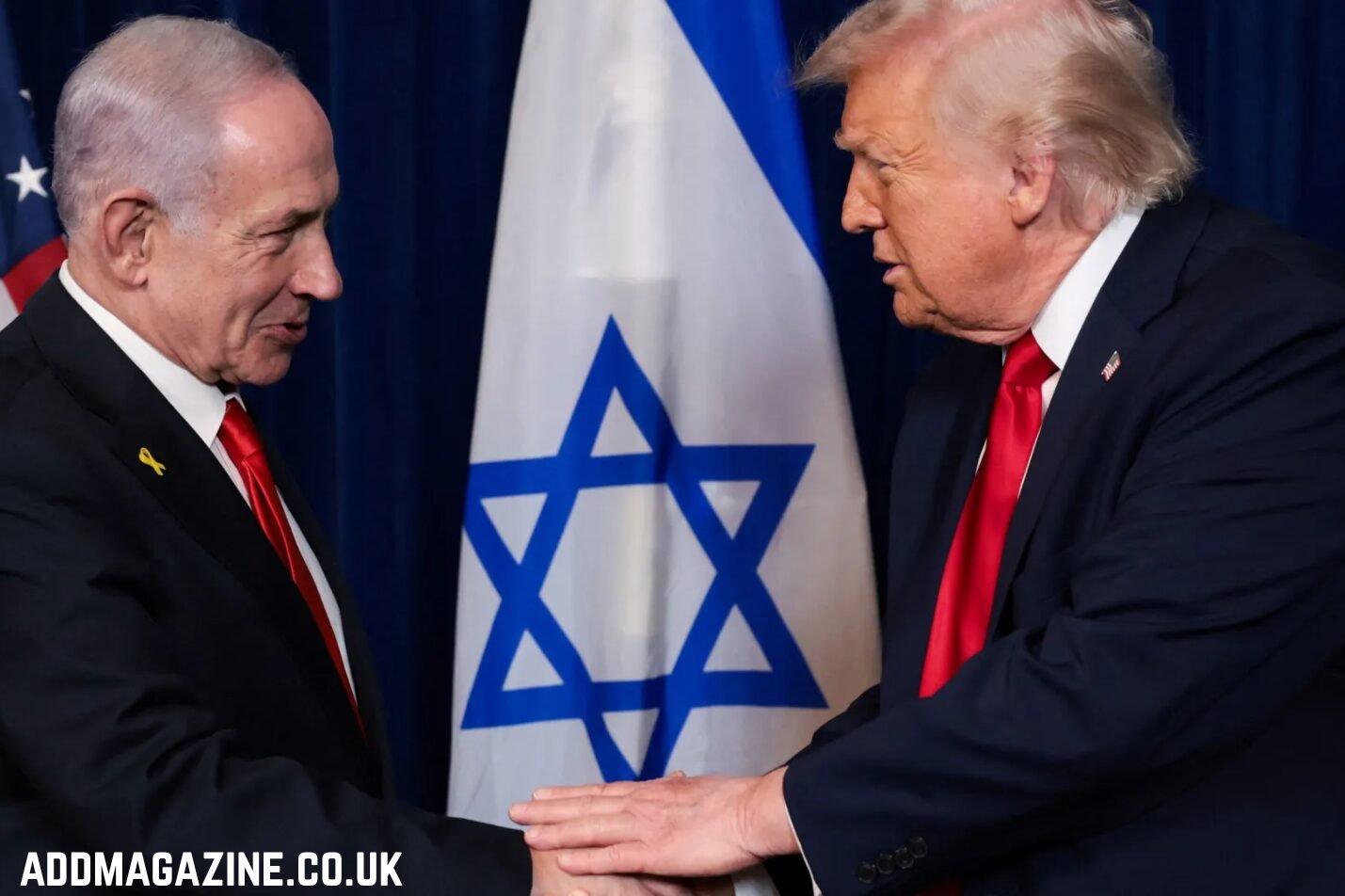
The political relationship between former U.S. President Donald Trump and Israeli Prime Minister Benjamin Netanyahu has consistently attracted global attention. Known for their frequent and direct communication, the two leaders have coordinated on critical issues, ranging from security policies to regional diplomacy. In 2026, their interactions intensified, largely due to the evolving situation in Iran and broader Middle East stability concerns.
Coordinating at the Highest Level
In the first months of 2026, Trump and Netanyahu engaged in a series of direct communications. These exchanges included multiple phone calls described by media outlets as highly consequential, reflecting the urgency with which both leaders approached emerging challenges. The discussions were closely timed, indicating that decisions about potential military and diplomatic actions required immediate alignment.
While official statements were sparse, the cadence of these conversations suggests a shared priority: ensuring that Israeli concerns were factored into U.S. policy while maintaining a coordinated approach toward regional threats.
The Iranian Challenge
The backdrop for these conversations was the tense and unpredictable situation in Iran. Diplomatic talks had reached a standstill, prompting the United States to enact a maritime blockade of Iranian ports. Tehran responded with restrictions on vessel movements through key waterways, escalating the potential for confrontation. Against this backdrop, both Trump and Netanyahu sought ways to prevent escalation while preserving strategic leverage.
Balancing Diplomacy and Defense
Trump publicly emphasized that the United States was ready to take military action if diplomatic solutions proved unworkable. However, he also signaled willingness to delay operations in response to requests from Gulf Cooperation Council countries. Netanyahu’s involvement ensured that Israel’s security requirements were integrated into U.S. strategic planning. The coordination reflected an approach that balanced preparedness for conflict with opportunities for negotiation, highlighting the complexity of decision-making at the highest levels.
Meetings and Strategic Planning
Beyond calls, the leaders held in-person meetings designed to align intelligence, review regional developments, and discuss potential responses to threats. These sessions were not only about immediate tactical decisions but also about long-term strategic planning. Ensuring consistency in messaging and actions across international actors was central to their discussions, particularly given the fragile nature of regional alliances.
Public Signaling and Media Strategy
Both leaders carefully managed public communication. Trump used social media to issue warnings and indicate timelines for potential diplomatic resolutions, while Netanyahu publicly emphasized Israel’s security priorities. This combination of private coordination and strategic messaging served to reinforce their partnership and influence regional actors’ perceptions without disclosing operational specifics.
Third-Party Mediation
Some diplomatic efforts involved third-party mediation, with countries like Pakistan facilitating dialogue to prevent escalation. While these initiatives faced obstacles, both Trump and Netanyahu remained engaged in exploring solutions that could avert direct conflict while maintaining strategic advantage. Their approach reflected the need to manage multiple variables simultaneously: international diplomacy, military readiness, and regional security concerns.
Regional and Global Implications
Decisions made by Trump and Netanyahu had far-reaching consequences. Their collaboration shaped policies that affected not only Iran but also neighboring states dependent on regional stability. Military readiness, public signaling, and diplomatic engagement together underscored the careful balancing act required to navigate volatile situations. By maintaining both defensive posture and diplomatic flexibility, the leaders sought to influence outcomes while minimizing unintended consequences.
Historical Context
The Trump-Netanyahu partnership builds on decades of U.S.-Israel cooperation. What distinguishes their relationship is the combination of frequent direct communication, mutual trust, and strategic alignment. Previous administrations have worked closely with Israeli leadership, but the personal rapport between Trump and Netanyahu facilitated faster coordination and a more visible alignment on critical regional issues.
Public Interest and Global Attention
The interactions between Trump and Netanyahu have drawn significant attention from global audiences. Analysts and media outlets scrutinized timing, statements, and strategic implications, highlighting how closely intertwined these leaders’ decisions were with broader regional stability. Public interest reflected not only their political prominence but also the stakes involved in their shared decision-making.
Conclusion
The Trump-Netanyahu dynamic in 2026 demonstrates a deeply coordinated approach to regional security. Through frequent communication, public messaging, and strategic planning, the two leaders addressed potential conflicts and sought to balance military readiness with diplomatic avenues. Their partnership illustrates how high-level collaboration can shape both national policies and broader international outcomes, particularly in complex, high-stakes environments like the Middle East.