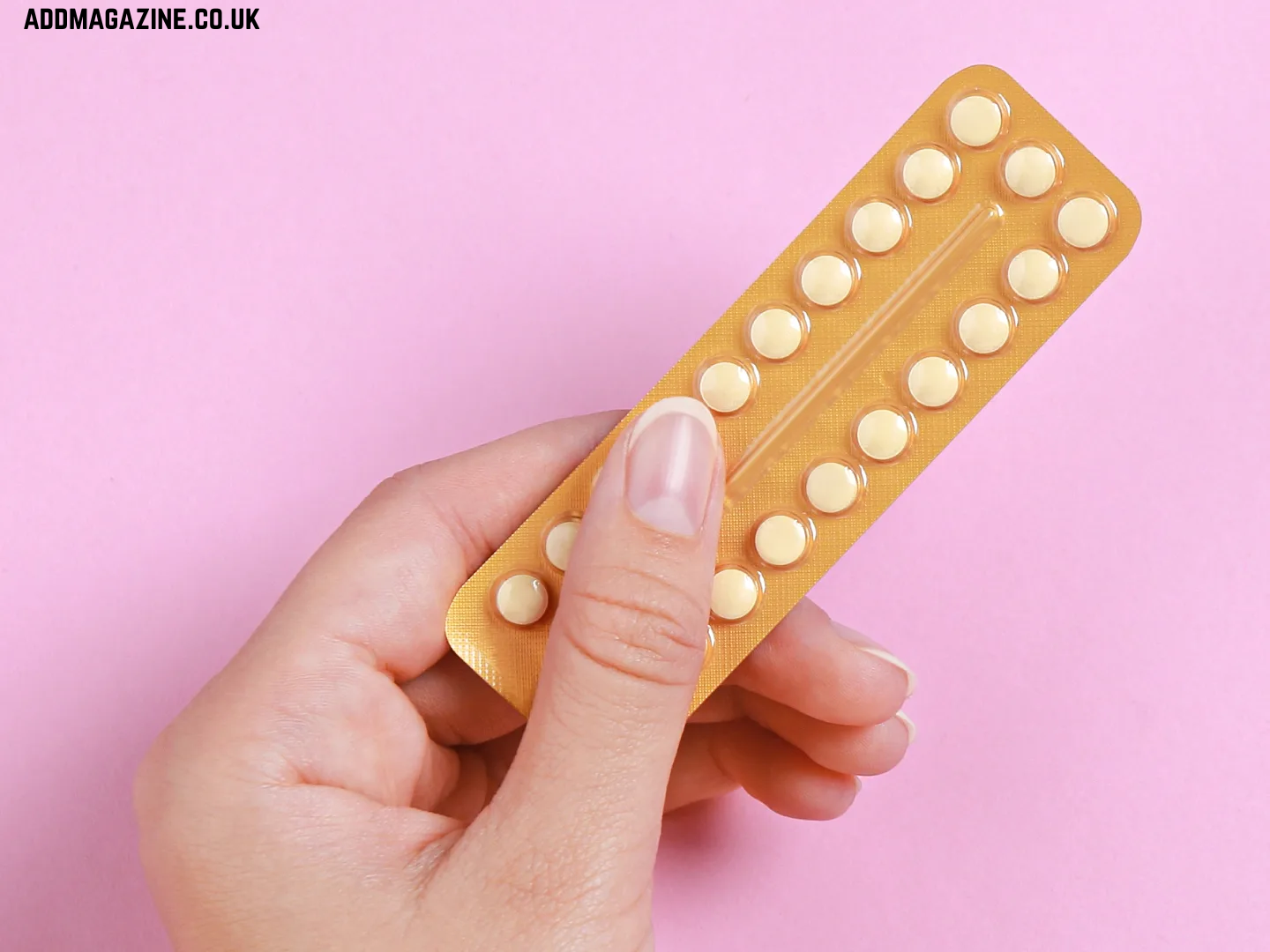
Introduction to Desogestrel: A Modern Mini Pill
Navigating the world of contraception can often feel overwhelming, with a myriad of options available, each with its own benefits and considerations. Among the various choices, hormonal birth control stands out as a highly effective and widely used method. While combined oral contraceptive pills, which contain both estrogen and progestogen, are well-known, there’s another class of pills that offers a distinct profile: the progestogen-only pill, often referred to as the mini pill. Desogestrel represents a significant advancement in this category, offering a highly effective and generally well-tolerated option for many individuals.
This comprehensive guide will delve deep into Desogestrel, explaining precisely how this particular 12-hour mini pill functions, its unique advantages, and what you need to know if you are considering it as your contraceptive method. We aim to demystify its mechanism, shed light on its critical timing, and provide actionable insights for anyone looking to make an informed decision about their reproductive health.
Understanding Hormonal Contraception: A Brief Overview
Before we zoom in on Desogestrel, it is helpful to understand the broader landscape of hormonal contraception. Hormonal contraceptives help prevent pregnancy by supplying the body with lab-made hormones, most commonly estrogen and progestogen, which mimics natural progesterone.
1. Stopping ovulation: Preventing the ovary from releasing an egg during the menstrual cycle.
2. Changing cervical mucus: Making the mucus thicker so sperm have greater difficulty reaching an egg.
3. Reducing uterine lining thickness: Keeping the womb lining thinner, which lowers the chance of implantation.
Progestogen-only contraception, commonly known as the mini pill, uses progestogen without estrogen. Earlier versions generally demanded stricter timing, with users often advised to take each dose within roughly three hours of their usual schedule. Desogestrel-based pills provide greater flexibility. Their 12-hour missed-pill window gives users more time to take a delayed dose while maintaining reliable contraceptive protection when used correctly.
What Exactly is Desogestrel?
Desogestrel is a laboratory-made hormone that belongs to the progestogen group and is commonly included in estrogen-free contraceptive pills. It differs from many traditional mini pills in the way it prevents pregnancy. While earlier progestogen-only options depended largely on making cervical mucus more difficult for sperm to pass through, desogestrel can also reliably prevent the release of an egg from the ovaries. This gives it an ovulation-suppressing effect associated with combined contraceptive pills, while avoiding the use of estrogen. This difference plays an important role in how desogestrel-based contraception works and contributes to its effectiveness when taken correctly.
Desogestrel is often prescribed under various brand names, but the active ingredient remains the same. It is a daily pill, meaning it must be taken at the same time every day to maintain its effectiveness. For those exploring their options for birth control, particularly those who cannot or prefer not to use estrogen, Desogestrel is a frequently recommended choice by healthcare professionals. Getting your prescription easily and discreetly is also simpler than ever, with services like Post My Meds offering convenient delivery.
The 12-Hour Window: Why Timing is Crucial for Desogestrel
One of the most significant advantages of Desogestrel over older mini pills is its extended 12-hour window for taking the pill. This means that if you usually take your pill at 8 AM, you have until 8 PM on the same day to take it and still be protected against pregnancy. This flexibility is a game-changer for many, reducing anxiety about missed pills and making daily adherence much more manageable.
However, it is vital to understand that “12-hour window” does not mean you can take it at any random time within that period. For optimal effectiveness, you should still strive to take your Desogestrel pill at the same time every day. The 12-hour window serves as a safety net. If you miss your usual time but remember within 12 hours, you should take the missed pill immediately and continue with your next pill at your regular time. If you exceed the 12-hour window, the effectiveness may be compromised, and additional contraceptive methods (like condoms) would be recommended for the next seven days, along with advice to contact your healthcare provider. This strict adherence to timing is critical because the consistent presence of the hormone is what maintains its contraceptive effect.
How Desogestrel Works: The Triple Threat Mechanism
Desogestrel’s high efficacy stems from its multi-pronged approach to preventing pregnancy. It doesn’t rely on just one mechanism but rather a combination of effects that work synergistically.
1. Suppression of Ovulation: This is the primary and most robust mechanism of Desogestrel. Unlike older mini pills that only suppressed ovulation in about 50 percent of cycles, Desogestrel consistently inhibits the release of an egg from the ovary in the vast majority of cycles. It does this by affecting the hormonal signals from the brain to the ovaries, effectively preventing the surge of Luteinizing Hormone (LH) that triggers ovulation. Pregnancy is not possible when there is no egg available for sperm to fertilize. This mechanism is what gives Desogestrel its high effectiveness, comparable to combined oral contraceptives.
2. Thickening of Cervical Mucus: Desogestrel also causes the mucus in the cervix (the opening of the uterus) to become thicker and stickier. This creates a physical barrier that makes it very difficult for sperm to travel through the cervix and reach the uterus and fallopian tubes where fertilization typically happens. This barrier acts as a secondary line of defense, ensuring that even if ovulation were to occasionally occur, sperm would struggle to get through.
3. Thinning of the Uterine Lining (Endometrium): The third mechanism involves changes to the lining of the uterus. Desogestrel makes the endometrium thinner and less receptive to a fertilized egg. Even if an egg were to be released and fertilized, it would find it very difficult to implant in the uterine wall, thus preventing pregnancy.
Together, these three mechanisms provide a robust and highly effective contraceptive solution, making Desogestrel a reliable choice for preventing unintended pregnancies. Understanding these mechanisms helps users appreciate the science behind their contraceptive choice and the importance of consistent use.
Advantages of Desogestrel: Why Choose the Mini Pill?
Desogestrel offers several distinct advantages that make it a preferred choice for many individuals seeking hormonal contraception.
1. Estrogen-Free: This is perhaps the most significant benefit. Because Desogestrel contains no estrogen, it is a suitable option for individuals who cannot use estrogen-containing contraceptives due to medical conditions. These conditions might include a history of blood clots (deep vein thrombosis or pulmonary embolism), certain types of migraines with aura, uncontrolled high blood pressure, or a higher risk of cardiovascular disease. It is also often recommended for women over 35 who smoke.
2. Breastfeeding-Friendly: Desogestrel is generally considered safe to use while breastfeeding. Estrogen can sometimes affect milk supply, but progestogen-only pills like Desogestrel typically do not, making it an excellent option for new mothers who need contraception.
3. Reduced Risk of Certain Side Effects: Without estrogen, some of the side effects commonly associated with combined pills, such as estrogen-related headaches, nausea, or breast tenderness, may be less prevalent. While it has its own set of potential side effects, they are often different from those of combined pills.
4. High Efficacy: When taken correctly, Desogestrel is over 99% effective at preventing pregnancy, making it as reliable as combined oral contraceptives. Its primary mechanism of ovulation suppression contributes significantly to this high rate of success.
5. Flexible 12-Hour Window: As discussed, the extended window for taking the pill greatly enhances user convenience and adherence, reducing the stress associated with strict timing requirements.
For individuals who prioritize an estrogen-free option or have specific medical contraindications to estrogen, Desogestrel stands out as a powerful and effective solution.
Potential Side Effects and How to Manage Them
Like other medicines, Desogestrel may lead to unwanted effects in some people, so any unusual symptoms or concerns should be discussed with a healthcare professional.
Common side effects can include:
1. Changes in Bleeding Patterns: This is perhaps the most frequently reported side effect. Many users experience irregular bleeding, spotting, or even a complete absence of periods (amenorrhea). While this can be inconvenient, it is generally not harmful and often improves over time. Some individuals find the absence of periods to be an advantage.
2. Acne: Some users may experience a worsening of acne, while others might see an improvement.
3. Mood Changes: Variations in mood, including feelings of depression or irritability, can occur.
4. Breast Tenderness: Similar to other hormonal changes, some individuals may experience tender breasts.
5. Headaches: Headaches are a possible side effect, though they are often less severe than those associated with estrogen-containing pills.
6. Nausea: While less common than with combined pills, nausea can still occur.
7. Weight Changes: Some individuals report slight weight fluctuations, though scientific evidence directly linking progestogen-only pills to significant weight gain is often inconclusive.
Adjusting to a contraceptive can take time, and some unwanted effects may gradually become less noticeable as the body adapts. However, symptoms that continue, worsen, or interfere with daily life should be discussed with a healthcare professional. A doctor can review the symptoms, suggest ways to manage them, or consider whether another birth control option may be more suitable. Keeping your healthcare provider informed can help ensure that the chosen method remains appropriate for your needs.
Who is Desogestrel For? Ideal Candidates and Contraindications
Desogestrel is an excellent contraceptive option for a wide range of individuals, particularly those who:
1. Cannot use estrogen: As highlighted, this is a primary reason for choosing Desogestrel. Conditions like a history of blood clots, certain types of migraines, or high blood pressure make estrogen-containing methods unsuitable.
2. Are breastfeeding: Its safety profile during lactation makes it a top choice for new mothers.
3. Are over 35 and smoke: Combined pills carry increased risks for this demographic, making Desogestrel a safer alternative.
4. Prefer not to have monthly bleeds: While irregular bleeding is common, many users eventually experience amenorrhea, which can be a desirable outcome for some.
5. Have a history of estrogen-sensitive cancers: For example, certain types of breast cancer.
However, Desogestrel is not suitable for everyone. Contraindications include:
1. Current or past breast cancer: Due to its hormonal nature.
2. Undiagnosed vaginal bleeding: This needs to be investigated before starting any hormonal contraceptive.
3. Severe liver disease: The liver metabolizes hormones, so severe impairment can be an issue.
4. Certain rare medical conditions: Such as porphyria.
5. Hypersensitivity to the active substance or any excipients: An allergic reaction.
A thorough medical history and discussion with a healthcare professional are essential to determine if Desogestrel is the right choice for you. Your doctor will review your medical condition and possible safety concerns before deciding whether the treatment is suitable. When you are ready to proceed, remembering that services like Post My Meds can simplify the process of obtaining your prescription, making it easier to manage your contraceptive needs.
Starting and Stopping Desogestrel: What You Need to Know
Starting Desogestrel correctly is key to ensuring immediate contraceptive protection.
1. Starting on Day 1-5 of Your Period: If you start taking Desogestrel on the first day of your period, you are immediately protected against pregnancy. You can also start up to day 5 of your period, and you will still be immediately protected.
2. Starting at Any Other Time: If you start at any other time in your menstrual cycle, you will need to use additional barrier contraception (like condoms) for the first seven days to ensure protection.
3. Switching from Another Contraceptive: Your doctor will provide specific instructions based on your previous method. Generally, you can often switch directly from a combined pill or another mini pill without a break.
Stopping Desogestrel is relatively straightforward. Once you stop taking the pill, its hormonal effects will diminish, and your fertility should return to normal fairly quickly. If you are stopping Desogestrel because you wish to become pregnant, it is advisable to speak with your doctor about any pre-conception advice. If you are stopping because of side effects or simply want to change methods, ensure you have an alternative contraceptive plan in place to avoid unintended pregnancy. Remember that for any questions or to refill your prescription, Post My Meds offers a streamlined service.
Frequently Asked Questions About Desogestrel
Can Desogestrel cause weight gain?
While some individuals report weight changes, scientific studies have not definitively linked Desogestrel to significant weight gain. Many factors influence weight, and any changes experienced may be coincidental or related to other lifestyle factors.
Will Desogestrel affect my fertility long-term?
No, Desogestrel does not have any long-term effects on fertility. Once you stop taking the pill, your natural fertility should return quickly, often within a few weeks or months.
What should I do if I vomit or have severe diarrhea?
If you vomit within 3-4 hours of taking your Desogestrel pill or have severe diarrhea, the pill may not have been fully absorbed. Treat this as a missed pill and follow the instructions for a missed pill within the 12-hour window. If it’s outside the window, use backup contraception for seven days.
Can I take Desogestrel with other medications?
Desogestrel may not work as intended when taken alongside certain medicines or supplements. Some treatments for epilepsy, particular antibiotics, and herbal products containing St. John’s wort can interfere with its contraceptive effect. Before starting Desogestrel, tell your doctor or pharmacist about every prescription medicine, over-the-counter product, and supplement you use. Medication checks are an important part of safe prescribing, and pharmacy providers such as Post My Meds can review a patient’s current treatments for possible interactions before supplying a prescription.
Is Desogestrel effective immediately?
If you begin it within the first five days of your period, protection starts straight away. Starting later requires backup contraception for seven days.
Embracing Your Contraceptive Choice
Choosing a contraceptive method is a deeply personal decision that should be made in consultation with a healthcare professional. Desogestrel offers a highly effective and well-tolerated option, particularly for those who cannot use estrogen or prefer an estrogen-free method. Its 12-hour window provides welcome flexibility, and its triple-threat mechanism ensures robust protection against pregnancy. By understanding how Desogestrel works, its advantages, potential side effects, and who it is best suited for, you can make an informed decision that aligns with your health needs and lifestyle. Prioritizing your reproductive health means staying informed and maintaining open communication with your doctor to find the best fit for you.