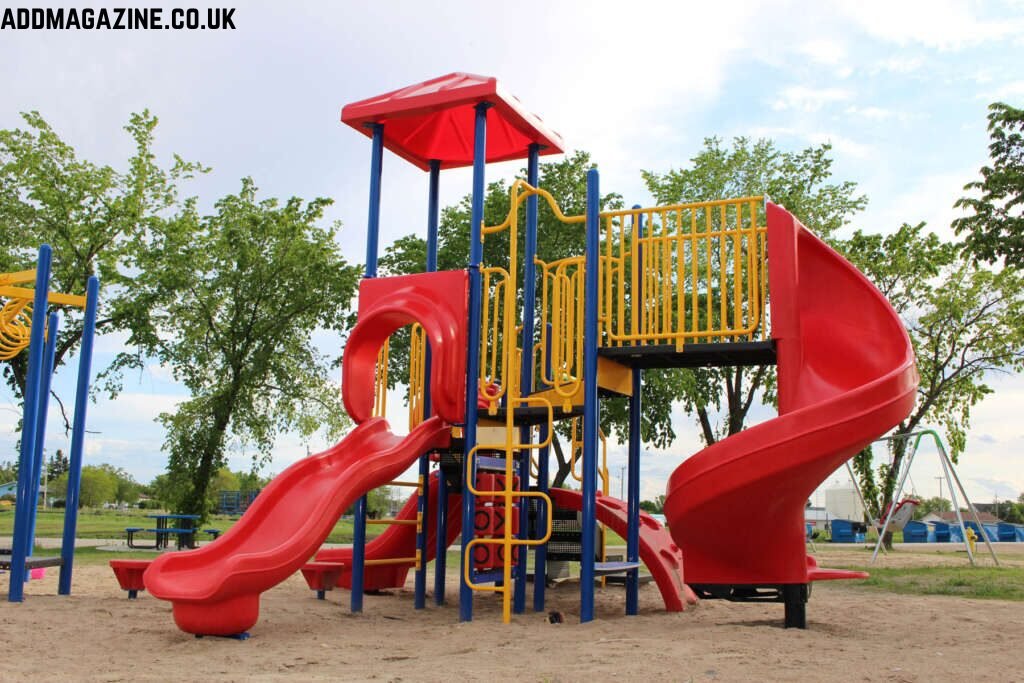
Playgrounds have evolved from simple structures to thoughtfully designed spaces that welcome everyone. Contemporary designs prioritize accessibility, safety, and fostering community, allowing both children and caregivers to engage seamlessly. The focus is no longer only on recreation but also on social connection and learning through play.
Designing for Accessibility and Inclusion
Inclusive playgrounds are built to accommodate children of all abilities. Features such as accessible surfacing, wide ramps, and sensory-based play panels encourage participation without barriers. These elements create an environment where children can explore, communicate, and develop physical and social skills together.
Modern playground equipment often includes adaptive swings, ground-level play zones, and tactile experiences. The goal is to provide opportunities for every child, regardless of mobility or sensory needs, to enjoy meaningful play experiences alongside their peers.
Encouraging Social Interaction and Community Building
Playgrounds are more than physical spaces. Inclusive play areas encourage cooperation, empathy, and understanding by allowing children to engage in shared activities. When children of different abilities play together, they learn acceptance and teamwork naturally.
Communities benefit when playgrounds become gathering places for diverse groups. Parents connect through shared experiences, and children develop friendships that extend beyond the playground. These interactions strengthen community bonds and promote a sense of belonging.
Safety and Sustainability in Modern Design
Safety remains a key focus in playground planning. Modern materials and thoughtful layouts reduce risks while maintaining excitement and challenge. Designers focus on optimal visibility, strategic spacing, and resilient finishes to enhance usability while reducing upkeep over time
Sustainability also plays an important role. Many facilities now use recycled materials, eco-friendly surfacing, and energy-efficient production methods. These choices benefit both the environment and the community by reducing waste and promoting responsible development.
Funding Opportunities and Support
Building an inclusive playground requires investment. Many communities rely on funding programs and partnerships to bring their vision to life. Resources such as playground equipment grants can help cover the costs of design, installation, and accessibility enhancements.
These grants often prioritize projects that demonstrate community involvement and long-term impact. By applying for such programs, organizations can ensure their playgrounds serve a wide range of users and remain valuable assets for years to come.
Creating Lasting Impact Through Inclusive Play
Inclusive play spaces are more than recreational areas. They represent a community’s commitment to equality, empathy, and shared growth. When children of all abilities can play side by side, barriers dissolve and understanding deepens.
Modern commercial playground designs continue to evolve, focusing on inclusivity, sustainability, and community well-being. By investing in thoughtful designs and accessible features, communities create spaces that inspire connection, learning, and lifelong memories for everyone involved.