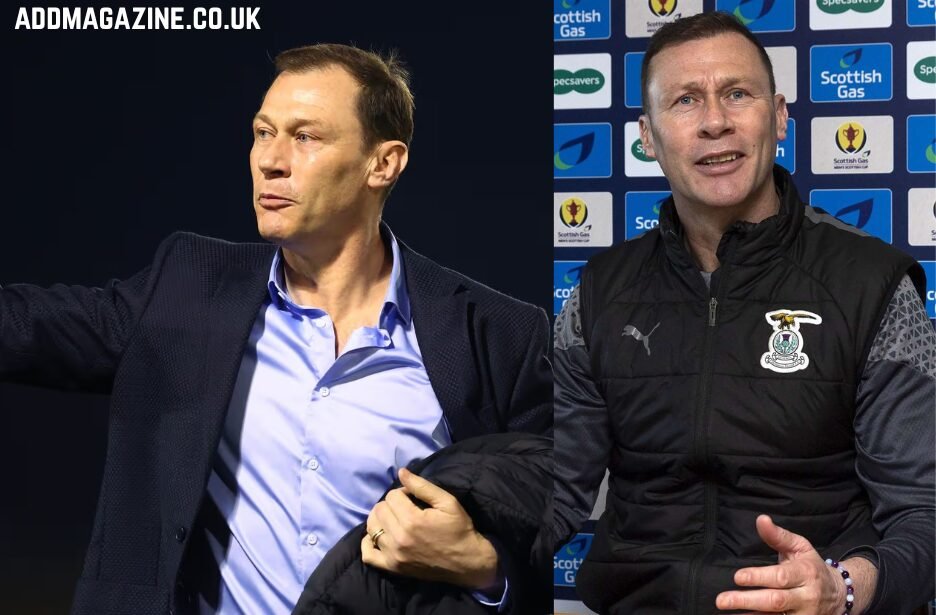
Duncan Ferguson remains one of the most recognizable former footballers from Scotland. Across the 1990s and early 2000s, he became famous for his physical style, emotional personality, and aggressive approach on the pitch. Supporters especially remember him for his years at Everton, where he developed a strong connection with fans and earned the nickname “Big Dunc.”
Interest in Duncan Ferguson net worth has continued for years because his life combined football success with serious personal and financial problems. During his playing career, Ferguson earned large Premier League salaries and built considerable wealth. However, his finances later collapsed because of failed investments, property losses, and tax-related issues.
Various financial estimates over the years have placed Duncan Ferguson net worth somewhere between $5 million and $15 million. Although exact figures remain private, his financial journey clearly involved both major earnings and major losses.
Beyond money, Ferguson’s story also includes prison, bankruptcy, coaching, media work, and a return to football through management roles and television appearances.
Early Life and Childhood
Duncan Cowen Ferguson was born on December 27, 1971, in Stirling, Scotland. Growing up in Scotland, he quickly developed a strong interest in football and became known for his size and physical strength at an early age.
Unlike many young players who relied mainly on speed or technical skill, Ferguson built his game around power and aggression. Coaches noticed his confidence and ability to dominate defenders physically.
As a teenager, he joined the youth setup at Dundee United and eventually progressed into professional football.
His early years in Scotland shaped the aggressive style that later defined his entire career.
Dundee United Breakthrough
Ferguson made his professional breakthrough with Dundee United during the early 1990s. At the club, he gained attention because of his aerial strength, physical presence, and ability to score important goals.
Scottish football supporters quickly noticed him because very few young strikers combined his height, strength, and fearless mentality.
His performances eventually attracted interest from Rangers, one of Scotland’s biggest clubs.
The transfer became one of the biggest moments of his early career because Rangers expected him to develop into a leading striker for both club and country.
Rangers Transfer and Rising Pressure
Ferguson joined Rangers in 1993. Moving to such a major club increased pressure immediately because Rangers supporters demanded success every season.
The club expected Ferguson to deliver goals, dominate defenders, and become one of the stars of Scottish football. While he showed moments of quality, injuries and discipline issues frequently interrupted his progress.
Still, Ferguson became famous for his aggressive style and intimidating presence. Opposing defenders viewed him as one of the toughest forwards to play against physically.
During his Rangers years, Ferguson also began attracting attention away from football because of controversies connected to his temper and behavior on the pitch.
The Headbutt Incident
One of the most famous moments of Ferguson’s career happened in 1994 during his Rangers spell.
During a match against Raith Rovers, Ferguson headbutted defender John McStay.
Instead of only receiving a football suspension, Ferguson faced criminal charges related to assault.
The decision shocked football supporters because prison sentences for incidents occurring during matches were extremely rare.
Duncan Ferguson Prison Sentence
In 1995, Ferguson received a three-month prison sentence connected to the headbutt incident. The punishment became one of the most controversial legal decisions involving a footballer in British football history.
Ferguson later explained that prison affected him mentally and emotionally. The experience forced him away from football completely and damaged his public reputation heavily.
Others argued that violent behavior deserved legal consequences regardless of where it happened.
Even decades later, supporters continue discussing why Duncan Ferguson went to prison because the story remains highly unusual in football history.
The prison sentence permanently changed Ferguson’s image. From that point onward, he became associated not only with football but also with controversy and aggression.
Everton Move and the Beginning of “Big Dunc”
Ferguson joined Everton in 1994 on loan before later making the move permanent. His relationship with Everton supporters quickly became one of the strongest connections between a player and fans during that era.
Supporters loved his passion, aggression, and emotional commitment to the club. Ferguson celebrated goals wildly, challenged defenders fearlessly, and played every match with visible intensity.
Fans soon gave him the nickname “Big Dunc,” which remained attached to him throughout the rest of his career.
At Everton, Ferguson became more than just a striker.
His years at Goodison Park helped increase Duncan Ferguson net worth significantly because Premier League football salaries were growing rapidly during the mid-1990s.
FA Cup Success in 1995
A major highlight of Ferguson’s time at Everton arrived in the 1994–95 campaign, when the club lifted the FA Cup trophy.
Everton defeated Manchester United 1–0 in the final at Wembley Stadium on May 20, 1995.
Although Ferguson was suspended for the final because of the prison-related controversy, he had contributed significantly during Everton’s cup run earlier in the competition.
The trophy became one of Everton’s most important achievements during the Premier League era.
Duncan Ferguson Salary and Football Earnings
During his best years at Everton, Ferguson reportedly earned around £30,000 per week. At the time, those wages placed him among the higher-paid footballers in British football.
His yearly salary reportedly reached around £1.5 million during the peak of his career.
Duncan Ferguson net worth grew through several income sources:
- Football contracts
- Goal bonuses
- Sponsorship agreements
- Public appearances
- Commercial partnerships
Long Premier League careers usually provide major financial opportunities, and Ferguson spent many years playing at a high level in England.
He later also earned income through coaching and television appearances after retirement.
Newcastle United Transfer
In 1998, Ferguson joined Newcastle United in a transfer worth millions of pounds.
Although injuries affected parts of his spell there, his reputation as a physical striker remained strong.
Defenders across the Premier League continued viewing him as one of the most intimidating forwards in English football.
Despite moments of success, Ferguson eventually returned to Everton in 2000.
Everton Return and Final Playing Years
After returning to Everton, Ferguson spent the remainder of his career at Goodison Park.
Although injuries increasingly affected him during the 2000s, supporters still admired his leadership and emotional connection with the club.
He officially retired from professional football in 2006.
By retirement, Ferguson had become one of Everton’s most memorable modern football figures.
Duncan Ferguson Net Worth and Financial Problems
In 2016, Ferguson was declared bankrupt at the High Court in London following financial disputes and tax-related issues.
Reports suggested several factors contributed to the collapse:
- Failed property investments
- Land development losses
- Tax complications
- Poor financial advice
- Expensive business ventures
Ferguson later revealed that he lost around £250,000 after trusting a financial adviser who allegedly vanished with the money.
He also reportedly invested heavily in land projects near Liverpool that failed commercially despite costing huge amounts of money.
The bankruptcy process forced major lifestyle changes and damaged much of the wealth connected to Duncan Ferguson net worth.
Selling Possessions During Financial Struggles
After financial problems worsened, Ferguson later explained that he and his wife had to sell personal possessions while trying to survive financially.
Those revelations surprised many supporters because people often assume former Premier League footballers remain financially secure permanently.
His honesty about financial struggles earned respect from supporters because many former players avoid discussing money problems publicly.
Family Life and Marriage
Ferguson has generally tried keeping his private life away from heavy media attention.
He is married to Janine Ferguson, and the couple has children together, including Cameron, Rose, and Evie.
During interviews, Ferguson occasionally discussed how important family became during difficult periods involving bankruptcy and public criticism.
Despite his aggressive football image, people close to Ferguson often described him as loyal and protective away from the game.
Coaching Career After Retirement
Following retirement in 2006, Ferguson eventually returned to Everton as part of the coaching staff.
Supporters reacted positively because they viewed him as someone who truly understood the club’s identity and culture.
During caretaker manager periods in 2019 and 2022, Ferguson became extremely popular with Everton fans because of his emotional touchline behavior and passionate celebrations.
Many supporters even wanted him appointed permanently as Everton manager.
His coaching reputation later helped him secure opportunities elsewhere.
Inverness Caledonian Thistle Job
In September 2023, Ferguson became manager of Inverness Caledonian Thistle in Scotland.
The club later experienced serious financial problems, including administration concerns.
Reports suggested Ferguson accepted a significant wage reduction while trying to help the club financially. Originally earning several thousand pounds per week, he reportedly reduced his salary substantially.
Despite his efforts, the club eventually dismissed him in October 2024 after financial problems worsened further.
Media Career and Public Appearances
Away from coaching, Ferguson also built a media presence through television appearances and football discussions.
His direct personality made him popular with audiences because he spoke honestly and emotionally rather than giving cautious answers.
- Everton memories
- Football rivalries
- Prison experiences
- Dressing room stories
- Financial struggles
Ferguson also participated in public speaking tours such as “An Evening with Duncan Ferguson,” where supporters attended live events focused on stories from his life and career.
Duncan Ferguson Book
In May 2025, Ferguson released his autobiography titled BIG DUNC: The Upfront Autobiography.
The book discussed many parts of his life, including:
- Childhood experiences
- Everton career
- Prison sentence
- Financial collapse
- Family life
- Mental struggles
- Coaching experiences
Supporters appreciated the honesty inside the autobiography because Ferguson openly discussed mistakes and personal problems rather than presenting a perfect image.
The release also helped renew public interest in Duncan Ferguson net worth and personal life.
Duncan Ferguson Height and Playing Style
Standing at 6 feet 4 inches tall, Ferguson became one of the most physically imposing forwards of his generation.
His playing style relied heavily on:
- Strength
- Aggression
- Aerial dominance
- Fearless challenges
- Leadership
Former defenders regularly described him as exhausting to play against because of the constant physical battles involved.
Many football discussions about traditional physical forwards still mention Ferguson as one of the most recognizable examples from the Premier League era.
Final Thoughts on Duncan Ferguson Net Worth
During his playing career, Ferguson earned major salaries through Premier League football and commercial opportunities. His years at Everton especially helped him build substantial wealth and establish himself as one of British football’s most recognizable personalities.
However, failed investments, tax-related problems, and poor financial decisions later damaged much of that wealth and eventually resulted in bankruptcy.
For many supporters, Ferguson remains memorable not simply because of goals or trophies, but because his career included controversy, prison, emotional struggles, financial collapse, and resilience in equal measure.